Leave Your Message

2026 Best Clear Plastic Tumbler Types for Global Buyers

Global buyers are entering 2026 with stronger demand for practical, reusable drinkware. A Clear Plastic Tumbler offers visibility, light weight, and broad customization potential. These features suit cafés, hotels, offices, gyms, and promotional programs. However, transparency alone does not prove quality.

Grand View Research’s 2024 analysis of the reusable water bottle market identifies sustainability, convenience, and portable hydration as major demand drivers. Fortune Business Insights also reports continued growth across the global drinkware market, supported by foodservice expansion and changing consumer habits. These findings matter for buyers comparing materials, capacities, lids, and supply reliability. The market is growing. Not every product deserves trust.

This 2026 guide examines practical Clear Plastic Tumbler types for international purchasing teams. It considers Tritan, acrylic, polypropylene, and recycled plastic options. Each material behaves differently under heat, impact, washing, and repeated use. A thick, crystal-clear wall may look premium under showroom lighting. Scratches can appear quickly in a busy café. That detail is easy to miss.

Material safety documentation, food-contact compliance, migration testing, and factory quality controls require careful review. Buyers should request current test reports, production samples, and inspection records before placing large orders. Standards may differ between destination markets, so one certificate may not cover every region. Even experienced importers sometimes overlook lid compatibility or carton damage. That is a useful warning.

The best choice depends on real operating conditions, not attractive photographs. This overview connects industry data with purchasing experience, product engineering, and supplier evaluation. It also recognizes an uncomfortable point: lower cost can create higher replacement expenses. Clear plastic is versatile, but it is not automatically durable, sustainable, or suitable for every application.
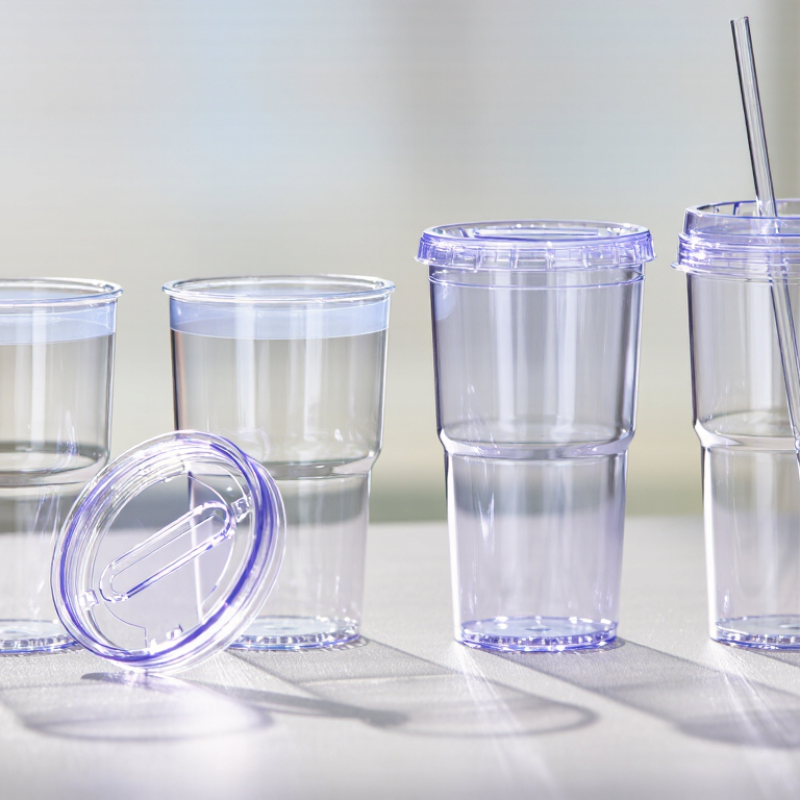
2026 Best Clear Plastic Tumbler Types for Global Buyers

What Are Clear Plastic Tumblers and How Are They Used?

2026 Best Clear Plastic Tumbler Types for Global Buyers

What Are Clear Plastic Tumblers and How Are They Used?

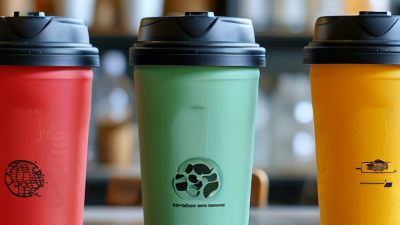
Clear plastic tumblers are transparent drink containers made from materials such as PET, acrylic, polypropylene, or copolyester. Their see-through walls display beverage color, ice, fruit slices, and fill levels clearly. Buyers commonly choose them for water, iced tea, juice, smoothies, offices, cafés, events, and promotional drink service. Their lightweight design also reduces shipping weight compared with glass. Still, “clear” does not always mean scratch-resistant or suitable for hot drinks.

Material choice matters. PET offers strong clarity but may suit limited reuse better than durable copolyester. Acrylic looks glass-like, yet it can crack under impact. Polypropylene is practical and economical, although it is often less transparent. Grand View Research’s 2024 reusable water bottle market report projects continued growth through 2030, supported by reusable drinking habits and sustainability concerns. This broader data does not measure tumblers directly. That limitation deserves attention. Smithers’ global packaging research also highlights rising demand for lightweight, convenient packaging formats.

Tips: Check capacity, lid sealing, straw compatibility, dishwasher guidance, and temperature limits. Request food-contact documentation and migration test results from suppliers. Inspect samples under bright light. Tiny scratches appear quickly. Buyers should also test stacking, printing adhesion, and carton protection before placing large orders. A tumbler can look premium online but feel surprisingly thin in hand.
Which Clear Plastic Tumbler Materials Are Best for Global Buyers?

Which Clear Plastic Tumbler Materials Are Best for Global Buyers?

For global buyers, copolyester is often the strongest all-purpose choice. It offers clear visibility, good impact resistance, and a polished appearance. It suits reusable tumblers used in offices, travel, and outdoor settings. However, it usually costs more than basic plastics. PET provides excellent clarity and low weight. It works well for cold beverages and short-term use, but repeated heat exposure can reduce its service life. PP handles warmth and chemicals better, although its natural appearance is less transparent. No material wins every market.

Acrylic creates a glass-like look and can support premium product designs. Yet, it may scratch or crack more easily under rough shipping conditions. Buyers should compare wall thickness, lid fit, temperature testing, and documented food-contact compliance. Product samples matter. Clear plastic can look impressive under showroom lighting, then reveal stress marks after transport. That possibility deserves attention.

Tips: Ask suppliers for material specifications, migration-test documents, and sample testing. Check clarity after washing and impact resistance after packing trials. Confirm destination requirements before ordering. A low unit price may become expensive after breakage, returns, or unclear paperwork.

2026 Best Clear Plastic Tumbler Types for Global Buyers - Which Clear Plastic Tumbler Materials Are Best for Global Buyers?

Comparative guide for selecting clear plastic tumbler materials by application, performance, sustainability, and international sourcing requirements

Material Typical Clarity Impact Resistance Heat Performance Reusable Tumbler Suitability Typical Applications Recycling Identification Key Advantages Important Limitations Global Buyer Considerations
PET
Polyethylene Terephthalate
Excellent transparency and gloss Moderate; can crack or deform under repeated impact Best for cold and room-temperature beverages; not generally suitable for hot filling unless the specific grade is designed for it Good for lightweight, short-term or limited-reuse products Single-use or event tumblers, cold drinks, promotional packaging 1 Very clear, lightweight, widely available, established recycling stream in many markets Limited heat resistance; repeated washing and scratching can reduce appearance Confirm local collection and recycling conditions; request food-contact documentation for the destination market
Clear Copolyester
Including Tritan-type materials
Excellent, glass-like clarity High; generally more resistant to cracking than PET, SAN, and acrylic Suitable for many warm beverage and dishwasher applications; exact limits depend on the resin grade and product design Excellent for premium reusable tumblers Reusable drinkware, sports tumblers, travel cups, transparent food-service products Usually 7 or other High clarity, good toughness, BPA-free grades are widely available, suitable for repeated use Higher material cost; recycling availability is less consistent than PET or PP Verify the exact resin composition, food-contact approvals, dishwasher claim, and destination-country recycling rules
SAN
Styrene-Acrylonitrile
Very good clarity and surface gloss Moderate to low; more brittle than copolyester and polycarbonate Suitable for cool and moderately warm use; confirm the supplier’s temperature rating Suitable for light-duty reusable products Indoor drinkware, household tumblers, display-oriented products 7 or other Clear appearance, relatively rigid, often cost-effective Can crack from drops or stress; not ideal for demanding outdoor or commercial use Check applicable styrene-related food-contact requirements and migration testing in the target market
Acrylic
PMMA / Polymethyl Methacrylate
Excellent clarity with strong optical appearance Low to moderate; rigid but relatively brittle Best for cold beverages; generally unsuitable for hot liquids and high-temperature dishwashing Suitable when appearance is more important than impact resistance Decorative tumblers, hospitality settings, display drinkware, outdoor cold-drink service 7 or other Premium glass-like appearance, good weatherability, relatively good scratch resistance compared with some plastics Can shatter or crack under impact; may craze with unsuitable chemicals Confirm food-contact suitability, chemical-cleaning compatibility, and whether the product is intended for commercial dishwashers
Polycarbonate
PC
Very good clarity when new Excellent impact resistance Good heat resistance; exact service temperature depends on grade, wall thickness, and design Excellent for heavy-duty reusable applications Commercial food service, outdoor use, institutional drinkware, high-impact applications 7 or other Outstanding toughness, dimensional stability, and long service life Can scratch; repeated heat exposure may affect appearance; bisphenol-related regulatory requirements vary by market Obtain current food-contact and chemical-compliance documentation for every destination market; do not assume global acceptance
Polypropylene
PP
Translucent to moderately clear; usually less glass-like than PET or copolyester Good, especially against repeated flexing and drops Good heat and chemical resistance; product-specific limits must be confirmed Very good for practical reusable products where maximum clarity is not essential Reusable household tumblers, food-service containers, sports and travel drinkware 5 Lightweight, durable, chemically resistant, and commonly recyclable where collection systems exist Lower optical clarity; may become cloudy or show stress whitening over time A strong option where durability and heat performance matter more than crystal-clear appearance; verify local recycling access
Global purchasing note: Recycling numbers identify the resin category, not a guarantee that the item will be accepted by local recycling facilities. Before placing an international order, confirm the exact resin grade, food-contact approvals, testing requirements, temperature limits, dishwasher suitability, labeling rules, and recycling infrastructure in each destination market.

What Are the Main Types of Clear Plastic Tumblers in 2026?

Clear plastic tumblers in 2026 fall into several practical categories. Single-wall tumblers are the lightest and usually the most affordable. They suit iced tea, juice, and short-distance takeaway use. However, condensation can wet tables quickly. Small detail, big annoyance.

Double-wall tumblers offer better insulation without hiding the drink. Their air gap slows temperature change and reduces exterior moisture. They work well for offices, cafés, and outdoor events. The wall must be carefully molded, because uneven gaps can weaken clarity and durability. Some buyers prefer a silicone sleeve for extra grip.

Material also defines the tumbler type. PET tumblers are lightweight and commonly chosen for cold beverages and short-term use. Polypropylene models are more flexible and handle repeated daily use well. Tritan-style copolyester tumblers provide a glass-like appearance, stronger impact resistance, and better long-term presentation. Acrylic models can look clear and polished, but they may scratch more easily. They are not identical.

Design creates another important division. Straw tumblers support smoothies and cold drinks, while handled versions improve carrying comfort. Stackable shapes save warehouse space, but narrow rims may be harder to clean. From product checks, lid fit often matters more than appearance. Buyers should request migration reports, temperature guidance, impact testing, and cleaning instructions. “BPA-free” alone is not enough evidence. A transparent sample can still hide weak threads, sharp edges, or poor sealing. That deserves a second inspection.

How Should Buyers Compare Features, Sizes, and Customization Options?

For global buyers, comparing clear plastic tumblers starts with real use, not attractive photos. Request samples in several sizes, such as 350, 475, and 700 milliliters. A 475-milliliter cup often suits office drinks and iced beverages. Larger sizes may improve convenience but can feel heavy when filled.

Check the plastic type, wall thickness, lid fit, straw opening, and condensation control. Food-contact documentation should match the destination market. Ask for migration test reports, material declarations, and production batch details. Test each sample with cold water, ice, and gentle shaking. A secure lid should resist leaks without requiring excessive force. Dishwasher performance also matters, although printed decoration may fade after repeated cleaning. Small details often decide customer satisfaction.

Customization can include logo printing, translucent colors, measurement marks, sleeve shapes, and individual packaging. Compare print clarity after hand washing, not only when the product is new. A dark logo may look sharp on clear plastic but reduce the clean visual effect. Confirm minimum order quantities, color consistency, mold charges, and replacement policies. I have seen samples where the lid worked well, but the straw opening felt uncomfortable. That weakness was easy to miss in a catalog. Buyers should record test results, supplier responses, and revision dates. No comparison is perfect. Local recycling guidance and labeling rules may also change, so verification should continue before production.

What Global Safety, Sustainability, and Import Standards Apply?

2026 Best Clear Plastic Tumbler Types for Global Buyers

Clear tumblers commonly use PET, polypropylene, acrylic, or copolyester. Each material needs a different compliance review. Copolyester often offers strong clarity and impact resistance. Polypropylene can perform well with hot or cold beverages. Acrylic looks attractive, but it may scratch more easily. A clear cup can still fail safety testing.

For food contact, buyers should request migration test reports for the intended beverage and temperature. European shipments may require compliance with Regulation (EC) No. 1935/2004 and plastic rules under Regulation (EU) No. 10/2011. Products entering the United States should meet applicable FDA food-contact requirements. Other markets may apply national standards, including specific limits for heavy metals, colorants, or bisphenols. Testing must match the final product, not only the raw resin.

Do not trust appearance alone. Ask for material declarations, factory quality records, batch traceability, and test dates. Sustainability claims also need evidence. Recyclable design, recycled content, packaging reduction, and extended producer responsibility duties vary by destination. A recycled claim may require chain-of-custody records. Check the lid, straw, gasket, and printing separately. They can change the compliance result. Import files may include commercial invoices, packing lists, tariff classifications, origin details, and destination labels. Requirements change. Verify them with an accredited laboratory and a local customs specialist before shipment.