Leave Your Message
Glass Drinkware is entering 2026 with a wider vocabulary of shapes, materials, and everyday uses. The leading types are not chosen by appearance alone. They must feel balanced, survive repeated washing, and suit the beverage inside. A thin-rimmed crystal wine glass can sharpen aroma, while a sturdy tumbler handles ice, citrus, and busy kitchen shelves. Highball glasses remain practical for sparkling drinks. Stemless wine glasses continue attracting casual hosts. Coupe glasses bring a softer, nostalgic profile to modern gatherings.
“The glass is the instrument,” says Maximilian J. Riedel, a leading figure in premium glassware design. His statement captures an important principle. Glass Drinkware should support the drinking experience, not merely decorate the table. In 2026, buyers will likely examine insulation, durability, recycled content, and tactile design more carefully. Borosilicate glass may appeal to consumers who want lighter, heat-resistant vessels. Textured surfaces can improve grip, though they may require more careful cleaning. Colored glass creates atmosphere, but it can hide stains or clouding.
Small details matter.
Our review will compare the top Glass Drinkware types through practical use, design expertise, and material performance. We will consider how each glass feels in the hand, pours at the table, and performs after repeated washing. Some predictions remain uncertain. Trends change quickly, and a popular shape does not always become a lasting standard. That is worth remembering. The best choice may not be the most fashionable glass, but the one that fits your drink, routine, and honest expectations.
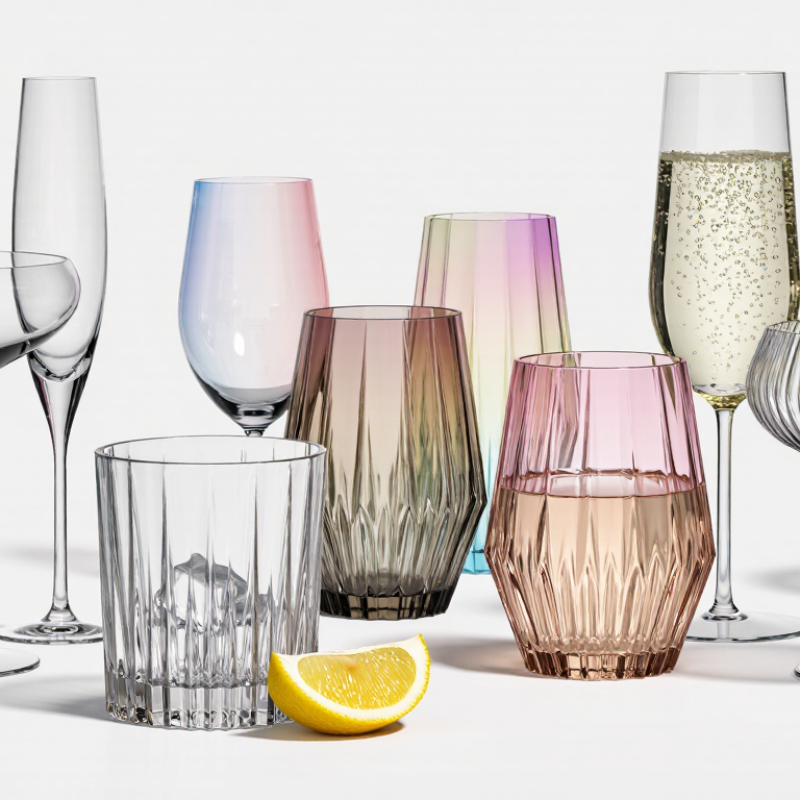
In 2026, the leading glass drinkware types are defined less by shape than by use. Tumblers suit water, juice, and daily service. Highballs support tall drinks and generous ice. Stemmed glasses remain useful when aroma, temperature, and presentation matter. Short, sturdy rocks glasses fit compact servings. Small details decide quality.
Grand View Research estimated the global glass tableware market at about USD 10.2 billion in 2023. Its analysis also projects steady growth through 2030. This growth supports demand for durable tumblers, stackable glasses, and lighter stemware. However, “top” should not mean fashionable only. A 2024 report from the International Organization for Standardization emphasizes performance, safety, and consistent manufacturing across glass products. In practice, users notice rim smoothness, weight balance, clarity, and resistance to thermal shock.
Sustainability also defines the strongest drinkware choices. The U.S. Environmental Protection Agency reported a 31.3% glass container recycling rate in 2018, the latest widely cited national figure. Recyclability matters, but collection systems differ widely. Glass is not automatically sustainable everywhere. My practical preference is simple: choose durable pieces that survive frequent washing and reduce replacement. Perfect clarity can look impressive. Yet it may reveal fingerprints quickly. Thicker glass feels safer, but it can feel heavy during long service. The best type depends on the setting, not a universal ranking.
| Glass Drinkware Type | Typical Capacity | Primary Beverage Uses | Defining Design Features | Key Functional Benefits | Common Material Options | Best 2026 Use Case |
|---|---|---|---|---|---|---|
| Highball Glass | 240–355 ml (8–12 fl oz) |
Highballs, soft drinks, iced tea, juice, and mixed drinks with a larger mixer ratio | Tall, straight-sided profile with a relatively narrow diameter | Provides space for ice and carbonation while helping drinks retain a fresh, chilled character | Soda-lime glassTempered glass | Everyday home use and versatile non-alcoholic beverages |
| Collins Glass | 300– Collins Glass | Tom Collins-style drinks, sparkling cocktails, lemonade, and other tall mixed beverages | Very tall, slim cylindrical shape with a larger volume than many standard highballs | Accommodates long ice, carbonated mixers, and garnishes without excessive spillage | Soda-lime glassCrystal glass | Layered presentation and long, refreshing drinks |
| Rocks Glass | 180–300 ml (6–10 fl oz) |
Spirits served neat or over ice, short cocktails, and small pours | Short, broad tumbler with a stable base and wide opening | Supports large ice cubes and allows easy access to aromas and garnishes | Soda-lime glassTempered glass | Compact cocktail service and spirit-focused presentation |
| Stemmed Wine Glass | 350–650 ml (12–22 fl oz) |
Red wine, white wine, rosé, and wine-based spritzes | Footed base, stem, and bowl designed to hold wine below the rim | Helps reduce hand warming and provides room for swirling and aroma development | Soda-lime glassLead-free crystal | At-home wine service and formal table settings |
| Sparkling Wine Flute | 170–260 ml (6–9 fl oz) |
Champagne, sparkling wine, sparkling cider, and celebratory drinks | Slender bowl with a narrow opening and long stem | Helps limit the exposed surface area, supporting the visual display and persistence of bubbles | Soda-lime glassCrystal glass | Celebrations and space-efficient sparkling beverage service |
| Coupe Glass | 180–300 ml (6–10 fl oz) |
Classic cocktails, sparkling wine, dessert drinks, and small pours | Wide, shallow bowl supported by a stemmed base | Creates a broad surface for presentation and makes garnishes easy to place | Soda-lime glassLead-free crystal | Decorative presentation and contemporary cocktail menus |
| Nick & Nora Glass | 150–220 ml (5–7.5 fl oz) |
Stirred or shaken cocktails served without ice | Small stemmed bowl with a rounded body and narrower rim | Offers a secure grip and concentrates aromas while reducing sloshing | Soda-lime glassCrystal glass | Measured cocktail portions and elegant, low-volume service |
| Margarita Glass | 250–450 ml (8.5–15 fl oz) |
Margaritas, frozen cocktails, fruit-forward drinks, and mocktails | Distinctive wide bowl with a stepped or curved profile and broad rim | Provides room for ice, decorative rims, and generous garnishes | Soda-lime glassTempered glass | Festive presentation and drinks with salt, sugar, or spice rims |
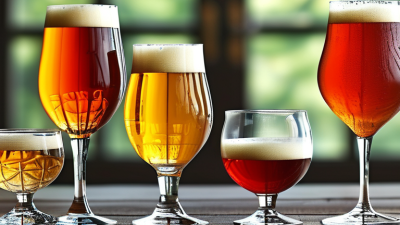
| Beer Pint Glass | 470–570 ml (16–20 fl oz) |
Lager, ale, stout, wheat beer, and other draft-style servings | Wide-mouth tumbler, often with slightly tapered or subtly flared sides | Allows head formation, comfortable handling, and easy cleaning | Tempered glassSoda-lime glass | Casual dining, home entertaining, and broad beer compatibility |
| Pilsner Glass | 300–500 ml (10–17 fl oz) |
Pilsner, lager, light wheat beer, and other pale beers | Tall, tapered bowl that is typically narrower at the base | Shows beer color and carbonation while supporting a visible foam head | Soda-lime glassTempered glass | Visual beer presentation and lighter, highly carbonated styles |
| Snifter | 180–350 ml (6–12 fl oz) |
Brandy, cognac, aged spirits, strong ales, and aroma-led drinks | Wide rounded bowl, narrow rim, short stem, and broad foot | Captures aromas and allows the drink to be gently swirled | Lead-free crystalSoda-lime glass | Aroma-focused tasting and slow sipping |
| Glass Mug | 250–500 ml (8.5–17 fl oz) |
Beer, iced coffee, hot chocolate, tea, smoothies, and casual mixed drinks | Thick-walled body with an integrated handle | Easy to hold, suitable for generous servings, and visually adaptable across hot and cold drinks | Tempered glassBorosilicate glass | Multi-purpose household use and handle-assisted serving |
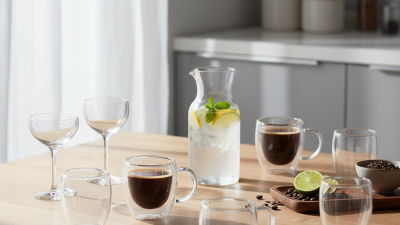
| Double-Wall Glass | 250–400 ml (8.5–13.5 fl oz) |
Coffee, tea, espresso drinks, cocktails, water, and chilled desserts | Two glass layers separated by an insulating air space | Reduces heat transfer and condensation while keeping the outer surface more comfortable to touch | Borosilicate glass | Temperature-conscious serving and modern minimalist kitchens |
| Carafe or Pitcher | 750 ml–2 L (25–68 fl oz) |
Water, iced tea, juice, infused water, sangria, and batch beverages | Large vessel with a pouring lip, handle, or both | Supports shared serving, table presentation, and reduced reliance on single-use containers | Soda-lime glassBorosilicate glass | Entertaining, family meals, and reusable beverage service |
| Reusable Glass Tumbler with Lid | 350–700 ml (12–24 fl oz) |
Water, iced coffee, smoothies, juice, and cold infusions | Straight-sided or tapered glass body paired with a reusable lid | Combines reusable drinking with portability; a sleeve can improve grip and insulation | Borosilicate glassTempered glass | Refillable hydration and takeaway-style home or office use |