Best Glass Cups for Your Kitchen Essentials and Stylish Dining?
In the realm of kitchen essentials, Glass Cups are gaining significant attention. According to a recent market analysis by Grand View Research, the glassware market is projected to experience substantial growth. Consumers are increasingly opting for glass over plastic for both environmental reasons and aesthetic appeal. Glass Cups not only enhance the dining experience but also reflect a commitment to sustainability.
With their versatile uses, glass cups suit various beverages—from morning coffee to evening cocktails. Their design varies widely, catering to different styles and preferences. However, not all glass cups are created equal. Some may not withstand temperature changes, leading to cracks or splintering. It's essential to choose quality materials to ensure durability.
While glass cups offer elegance, they demand care and attention. Many users struggle with washing and maintaining their clarity. This emphasizes the need for selecting cups that are both stylish and easy to clean. In the end, investing in quality Glass Cups can elevate your kitchen while prompting thoughtful reflection on responsible consumption.
Understanding the Different Types of Glass Cups Available
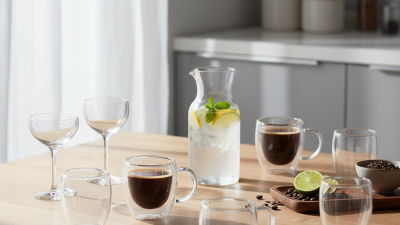
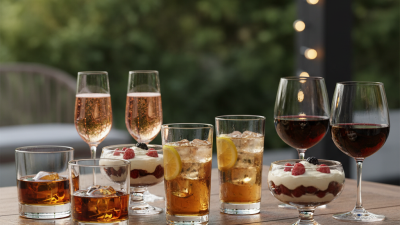
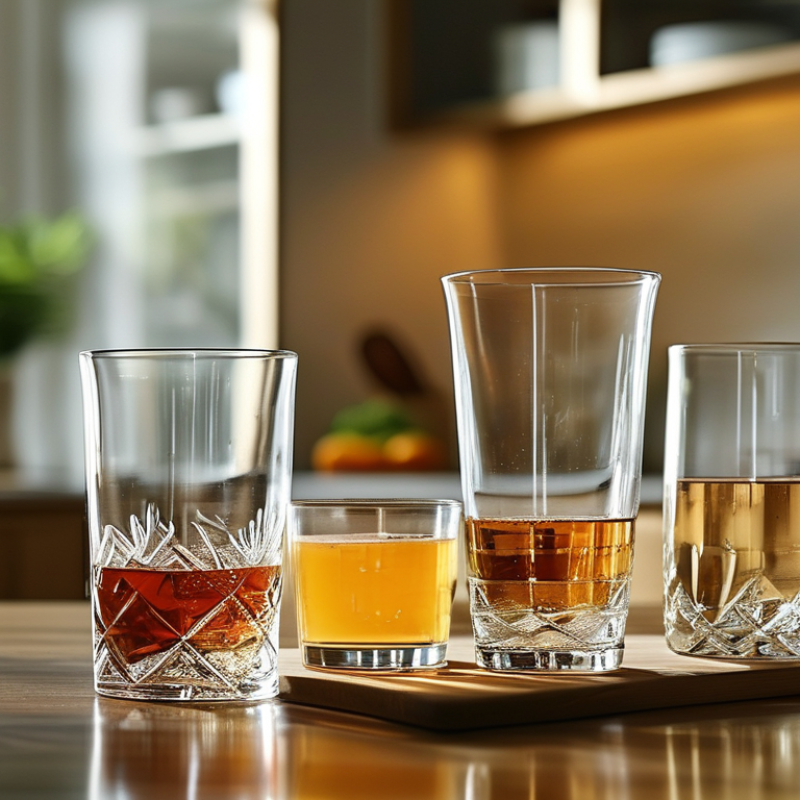
When exploring glass cups, it's essential to understand the various types available. There are everyday tumblers, elegant wine glasses, and robust mugs. Each type serves a unique purpose in your kitchen.
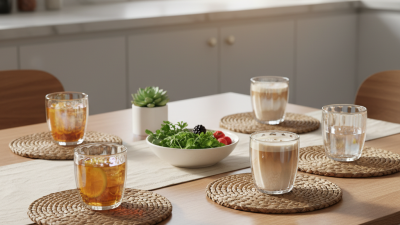
Tumblers offer versatility for water, juice, or cocktails. They are easy to clean and stackable. On the other hand,
wine glasses enhance the drinking experience for enthusiasts. Their shape impacts aroma and flavor perception.
Mugs are ideal for hot beverages, providing warmth and comfort. Some feature double walls for insulation, keeping drinks hot longer.
Glass cups can also come with different designs, influenced by cultures around the world. Remember, the right glass choice can elevate your dining experience.
Tips: When choosing glass cups, always consider their practical use. Keep in mind that thicker glasses provide more durability but may lack elegance. Choose sizes wisely; oversized cups can be cumbersome. A less-than-perfect design can add charm.
Embrace the quirks of handmade options; each may vary slightly, offering a unique touch to your collection.
Key Features to Look for in Quality Glass Cups
When selecting glass cups for your kitchen, consider several key features. A good cup should balance functionality and aesthetics. Look for durable materials. Borosilicate glass is ideal as it can withstand temperature changes well. This quality makes it great for hot beverages or cold drinks.
Another important factor is the design. Transparent glass allows you to appreciate the colors of your beverages. Elegant shapes can elevate your dining experience. Pay attention to the thickness of the glass too. Thinner glass can sometimes lead to breakage, while thicker options may feel cumbersome in hand.
Lastly, consider how the cups feel. A good grip is essential for easy handling. Sometimes, cups may look great but feel uncomfortable to hold. This discomfort can detract from the enjoyment of your drink. Reflect on how often you’re using these cups. The perfect choice combines aesthetic pleasure with daily utility.
Best Glass Cup Brands for Kitchen Essentials
When selecting glass cups for your kitchen, understanding the best brands is essential. According to a recent report by the International Glass Association, the glassware market is expected to grow by 5% annually, highlighting the increasing consumer interest in quality kitchen essentials. Various factors influence brand choice, including design, durability, and functionality.
A reliable glass cup should withstand everyday use. Expert opinions often emphasize that tempered glass is a great option. It offers higher durability compared to regular glass. However, some brands overemphasize aesthetics. While style is important, it shouldn't compromise quality. Practicality must guide your choices for daily dining.
Consumer feedback is vital. Many recommend brands that prioritize safety and functionality. The right glass cups can enhance your dining experience. Yet, not all options passed independent safety tests. This shows the importance of doing research before making a purchase. As a consumer, you need to weigh your options carefully. Your choice should balance elegance and dependability.
Best Glass Cup Types for Kitchen Essentials
This chart represents the popularity of different types of glass cups used in kitchens and dining. The data shows the percentage of households that prefer each type based on a survey conducted in 2023.
Styling Tips for Using Glass Cups in Your Dining Setup
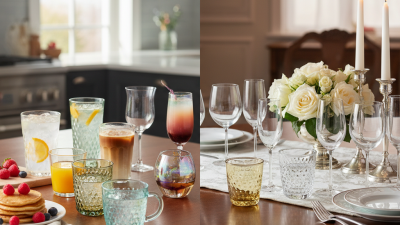
Using glass cups in your dining setup can elevate your table's aesthetics. Consider varying heights and shapes. Tall, slender glasses paired with shorter ones create visual interest. Mixing sizes adds an artistic touch to your dining area. Grouping cups in clusters rather than in single rows enhances the dynamic. The clear surfaces allow for creative layering of drinks, making every setting more inviting.
When selecting glass cups, think about the colors and patterns they feature. A simple, clear design can emphasize the vibrant colors of beverages. Alternatively, textured cups can add depth and intrigue. Don't shy away from mismatched glassware; it can reflect a charming, eclectic vibe. Embrace imperfections in your collection; each piece tells its own story. You could even involve guests in choosing their cups, sparking conversations and connections.
Lighting plays a critical role in your glass cup display. Soft, ambient lights can enhance the clarity of the glass, making it sparkle. Remember to keep surfaces uncluttered. A single flower or a small plant near the glasses can draw the eye and bring nature indoors. It's about balancing beauty with functionality. Test different setups and see which resonates best with you. Each iteration teaches you something valuable about your style.
Care and Maintenance for Long-Lasting Glass Cups
When it comes to glass cups, proper care is essential for longevity. According to a report by the Glass Packaging Institute, glass can withstand various temperatures and resist staining better than other materials. However, improper maintenance can lead to scratches and cloudiness, diminishing the beauty of your glassware.
To maintain your glass cups, consider hand washing instead of using a dishwasher. The high heat and strong detergent can cause wear over time. Use a gentle sponge and mild detergent to clean every inch of the glass. Rinse with warm water and dry with a soft cloth to avoid water spots. Industry surveys suggest that careful cleaning can extend the life of glass cups by up to 50%.
Storing glass cups correctly is also vital. Avoid stacking them, as this can lead to chips and cracks. Instead, keep them in a dedicated cabinet or on a shelf. For added protection, consider using cup liners. They can prevent small impacts that may occur during daily use. Remember, while glass cups are durable, they are not invincible. A mindful approach to their care helps preserve their clarity and elegance.