China remains a major manufacturing base for cups, tumblers, bottles, and other Plastic Drinkware products. Grand View Research valued the global plastic cups market at approximately USD 13.91 billion in 2022. It also projects a compound annual growth rate of about 4.7% from 2023 to 2030. These figures suggest strong demand, but they do not identify reliable suppliers. Buyers still need to inspect factories, materials, testing records, and export experience.
Smithers’ packaging research highlights growing pressure around food-contact safety, recycled content, and supply-chain transparency. Those issues matter in practice. A clear tumbler may look premium, yet its resin origin can remain unclear. The best Chinese suppliers usually provide FDA or EU food-contact documentation, batch traceability, leak testing, mold-control records, and stable production capacity. ISO 9001 certification is useful, but it should not replace an independent factory audit. No certificate tells the entire story.
Ellen MacArthur, a leading circular-economy expert, stated, “We cannot recycle our way out of plastic pollution.” Her warning applies directly to supplier selection. Recyclability, product durability, and realistic end-of-life planning deserve equal attention. This guide compares leading Chinese Plastic Drinkware suppliers through those practical measures. It also considers customization, minimum order quantities, packaging quality, communication, and shipping reliability. Some rankings may remain debatable. Supplier performance can change quickly. A factory with excellent samples may struggle during peak-season production. Careful buyers should request recent samples, production videos, test reports, and references before committing.
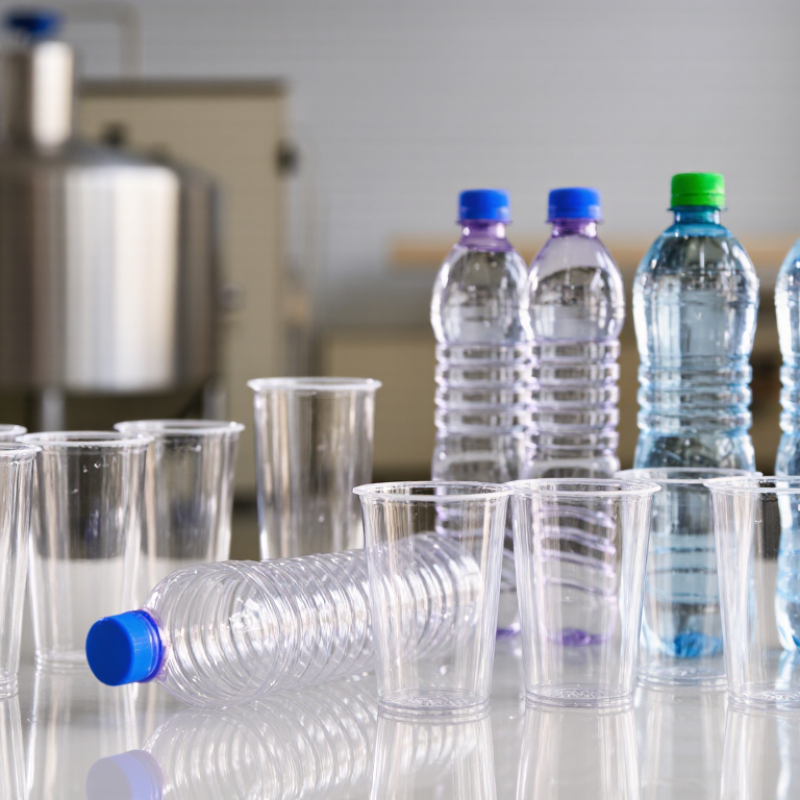
A reliable plastic drinkware supplier in China proves consistency before discussing price. Factory audits should verify injection-molding capacity, food-contact procedures, and batch traceability. Ask for resin declarations, migration-test reports, and production samples from different batches. The OECD Global Plastics Outlook (2022) reported that only 9% of global plastic waste was recycled in 2019. This makes material control and responsible waste handling important supplier tests.
Quality should be measurable on the factory floor. Check rim smoothness, wall thickness, color stability, lid fit, and drop resistance. Suppliers with documented ISO 9001 systems usually manage corrective actions more clearly, although certification alone is not proof of performance. The International Organization for Standardization notes that ISO 9001 focuses on controlled quality processes, not guaranteed product perfection. That distinction matters. I have found that a clean sample can hide weak mass production.
Tips:
Request three production samples, not one. Confirm the resin type and additives in writing. Ask for recent independent food-contact testing. Review carton strength with a simple one-meter drop test. Also inspect random packed units before shipment. A supplier who answers slowly may still be capable, but unclear records create avoidable risk. Product specifications can change quietly. That possibility deserves attention.
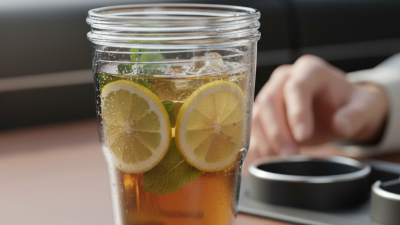
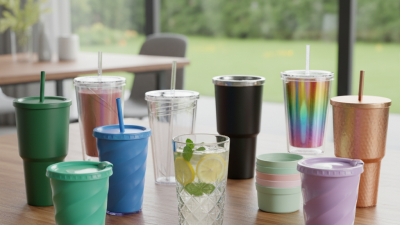
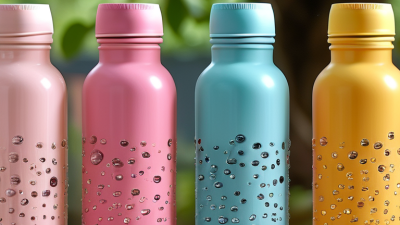
Chinese plastic drinkware suppliers offer a broad range of practical products. Their catalogs commonly include reusable cups, tumblers, travel mugs, sports bottles, shaker bottles, and children’s drinking cups. Some factories also produce disposable beverage cups for events, cafés, and takeaway services.
Material choices vary by use. Polypropylene cups are lightweight and resist everyday heat. PET bottles provide clear walls and strong visual appeal. Polyethylene is useful for flexible squeeze bottles. Food-contact copolyesters offer better clarity and impact resistance, although they may increase the unit cost. Suppliers can also add silicone seals, plastic straws, carry handles, and leak-resistant lids.
Customization is usually available through injection molding, screen printing, heat transfer, or molded logos. From practical sourcing experience, lid fit deserves careful testing. A cup may look excellent but still leak after repeated opening. Ask for material declarations, migration test reports, and production samples before confirming a large order. Requirements may differ between markets, so compliance documents should match the destination country.
Some suppliers provide insulated double-wall designs, but performance depends on wall thickness and assembly quality. Specifications can still be misunderstood. Request drawings with exact dimensions, capacity, color references, and tolerance limits. I have found that small details, such as straw diameter and thread alignment, often affect customer satisfaction more than decoration. Sample testing is not exciting. It is necessary.
Choosing the best plastic drinkware supplier requires more than comparing prices. Evaluate the manufacturer’s production experience, material control, and quality systems. Ask whether they use food-contact compliant resin and request current test reports from qualified laboratories. Check the factory’s molding machines, clean storage areas, and production records. A reliable supplier should explain how it controls wall thickness, color consistency, lid fit, and leakage.
Request samples before discussing large orders. Test them with cold drinks, warm liquids, repeated washing, and moderate drops. Measure each sample carefully. Small differences in cup capacity or rim diameter can create packing and sealing problems. Review the supplier’s minimum order quantity, mold charges, lead times, and replacement policy. Written specifications matter. Verbal promises may disappear.
Tips: Ask for a video factory tour, but do not rely on video alone. Request batch numbers, inspection photos, packaging details, and export documents. Speak with the quality manager, not only the sales representative. A supplier that accepts independent inspections usually shows stronger process control. However, no factory is perfect. Even a capable manufacturer may miss a color variation or delay a mold revision. Build inspection time into your schedule and keep a small tolerance for unexpected changes. You may need to improve your checklist after the first shipment.
For buyers comparing plastic drinkware suppliers in China, pricing begins with resin, not decoration. Polypropylene, PET, and Tritan-type materials respond differently to oil, energy, and supply changes. ICIS weekly resin assessments are useful benchmarks before accepting a factory quotation. PlasticsEurope’s Plastics—The Fast Facts 2024 reports that packaging represented 39.6% of European plastics demand in 2023. That figure shows why packaging-grade resin can face strong competition. Resin moves fast. A quote held for ninety days may be unrealistic.
Minimum order quantities usually reflect production setup rather than supplier preference. A custom mold, color masterbatch, logo printing, and carton design can create fixed costs before the first cup is shipped. A factory may offer 3,000 pieces for one stock color but require 10,000 pieces for a new color and printed sleeve. Small orders hurt. Buyers should request separate pricing for tooling, samples, inspection, packaging, and freight. Otherwise, a low unit price may hide expensive development charges.
Freight also changes the landed cost. UNCTAD’s Review of Maritime Transport 2024 states that ships carry over 80% of global merchandise trade by volume, making shipping conditions important for Chinese exports. Ask for Incoterms, carton dimensions, gross weight, and validity dates. Payment terms matter too. In practical sourcing reviews, the cheapest offer is not always the best value. I have found that suppliers sometimes estimate MOQ too confidently, especially when several colors share one production run. Confirm the actual batch plan in writing, then reconsider the order size after reviewing real sample waste.
| Product Category | Common Materials | Typical Capacity | Indicative Factory Price Range (USD per Piece) |
Typical MOQ for Standard Items | Typical MOQ for Custom Items | Common Customization Options | Main Pricing Drivers | Best Fit for Buyers |
|---|---|---|---|---|---|---|---|---|
| Reusable Tumblers | PP, Tritan, PETG, SAN | 300–700 ml | $0.35–$2.20 | 500–1,000 pieces | 1,000–3,000 pieces | Color matching, printing, lids, straws, individual packaging | Material grade, wall thickness, lid design, decoration method, packaging | Promotional campaigns, cafés, events, everyday reusable drinkware |
| Sports Water Bottles | HDPE, PP, Tritan, PETG | 500–1,000 ml | $0.55–$3.50 | 500–1,000 pieces | 1,000–5,000 pieces | Flip caps, carrying loops, measurement marks, logos, custom colors | Leak-resistant structure, cap complexity, material transparency, testing requirements | Fitness, outdoor, school, corporate and promotional programs |
| Plastic Travel Mugs | PP, ABS, stainless steel with plastic components | 300–500 ml | $0.90–$4.50 | 500–1,000 pieces | 1,000–3,000 pieces | Double-wall construction, sleeves, lids, color matching, printed graphics | Insulation structure, assembly labor, lid mechanism, decoration and packaging | Retail collections, office use and branded gifting |
| Plastic Cups | PP, PS, PET, SAN, Tritan | 200–700 ml | $0.08–$1.20 | 1,000–5,000 pieces | 3,000–10,000 pieces | Screen printing, sleeve labels, embossed designs, custom colors | Volume, disposable or reusable construction, print coverage, food-contact requirements | Foodservice, parties, hospitality and high-volume promotions |
| Plastic Wine and Cocktail Glasses | PS, SAN, PETG, Tritan | 250–500 ml | $0.20–$1.80 | 1,000–3,000 pieces | 3,000–10,000 pieces | Stem shape, transparent colors, logos, gift boxes and protective packaging | Mold complexity, clarity, impact resistance, stem design and packing method | Events, catering, hotels, outdoor venues and hospitality programs |
| Kids’ Drink Bottles | PP, Tritan, HDPE, silicone components | 300–600 ml | $0.70–$3.80 | 500–1,000 pieces | 1,000–5,000 pieces | Character-free custom graphics, soft spouts, handles, straps and color options | Safety features, leakproof parts, food-contact testing, accessories and packaging | Schools, retailers, family products and children’s activity programs |
| Stackable Event Drinkware | PP, PET, PS, SAN | 250–600 ml | $0.12–$1.00 | 2,000–5,000 pieces | 5,000–20,000 pieces | Stacking design, one-color printing, translucent colors and bulk cartons | Production volume, cycle time, nesting efficiency, printing and carton utilization | Festivals, stadiums, catering and large-scale events |
| Custom Molded Drinkware | PP, Tritan, PETG, ABS or multi-material combinations | Project-specific | $1.50–$8.00+ | 3,000–10,000 pieces | 5,000–20,000+ pieces | Exclusive shape, logo integration, special lid, texture and structural features | Mold investment, engineering, number of cavities, tolerances, testing and tooling amortization | Long-term product lines and differentiated retail products |
Choosing a plastic drinkware supplier requires more than comparing catalog prices. Start with your business model, serving sizes, sales channels, and expected order volume. A supplier for cafés may need durable reusable cups, while an event distributor may prioritize lightweight products and fast production.
Request physical samples before discussing a long-term contract. Check rim smoothness, wall thickness, lid fit, color consistency, and resistance to cracking. Fill each cup with cold and warm beverages. Small defects become obvious during real use. Ask for material specifications, food-contact test reports, and quality-control records for the production batch. Reliable factories should explain these documents clearly, not send vague screenshots.
Production experience also matters. Review factory photos, equipment details, mold ownership, and monthly capacity. Ask how the supplier handles rejected units and late deliveries. A written inspection process is more useful than confident promises. Confirm minimum order quantities, packaging methods, shipping terms, and replacement policies before payment. Communication speed is another practical test. If simple questions take several days, urgent problems may take longer.
A low quote can be attractive. It can also hide thinner walls, unstable color, or unexpected tooling fees. I have learned that the cheapest sample is rarely the cheapest usable product. Still, expensive does not automatically mean dependable. Compare evidence, not polished presentations, and keep a small trial order before scaling. That step may slow growth slightly, but it reveals weaknesses while they remain manageable.