2026 How to Choose the Perfect Ceramic Mug Sets for Your Home?
Choosing the perfect Ceramic Mug Sets for your home can be a delightful yet daunting task. Imagine sipping your morning coffee from a beautifully crafted mug that feels just right in your hands. Ceramic Mug Sets come in various styles, colors, and designs. Each set can bring a unique touch to your kitchen or dining room.
However, not every mug will suit your lifestyle or aesthetic. You might find a set that is visually appealing, yet its weight or shape may not be comfortable for daily use. The right Ceramic Mug Sets should balance beauty and functionality. Consider how often you will use them and the occasions for which they will be reserved.
Reflect on the mood you want to create with your mugs. Bright colors can energize, while muted tones may soothe. Often, we overlook the details that matter. A textured handle or a unique glaze can elevate your drinking experience. Choosing ceramic is also about durability and warmth. Your choice reflects your personality and, perhaps, your messy kitchen. Look closely at what truly resonates with you.

Factors to Consider When Choosing Ceramic Mug Sets
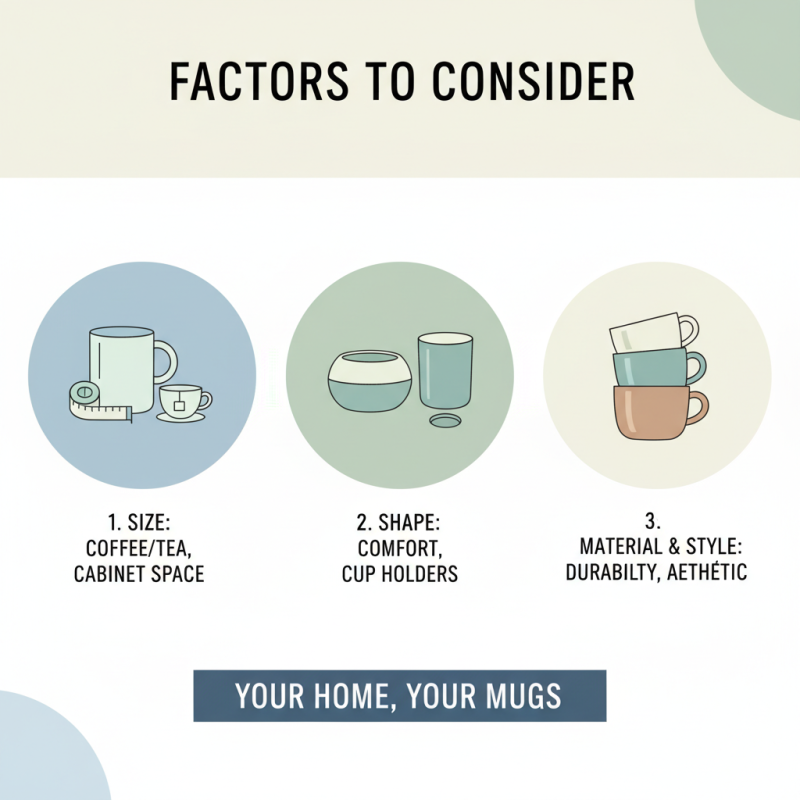
Choosing the perfect ceramic mug sets for your home involves several key factors. First, consider the size of the mugs. Some people prefer larger mugs for their morning coffee, while others like smaller ones for tea. Measure your kitchen cabinets to ensure they fit well. Shape is also crucial; a wide mug might feel comfortable, but it may not fit in cup holders.
Then, think about the design. Do you lean towards minimalistic styles, or do you enjoy vibrant patterns? Color can change the mood of your kitchen. A mismatched set could feel cozy or chaotic. Reflecting on your personal style is essential.
Finally, pay attention to durability. Some ceramic mugs chip easily, which can lead to disappointment. Check reviews or ask friends about their experiences. But remember, no mug is perfect. You might find one with a beautiful design that cracks under heat. Consider these factors carefully and choose wisely.
Different Types of Ceramic Materials and Their Benefits
When choosing ceramic mug sets, understanding material types is crucial. There are several ceramic materials, each offering unique benefits. Stoneware is one. It's durable and excellent for daily use. This type can withstand temperature changes, making it versatile for hot and cold drinks.
Porcelain is another popular choice. It is lightweight and often more elegant than stoneware. However, it may be more delicate. Many people prefer porcelain for formal occasions. A study indicated that 68% of consumers prefer lightweight ceramics for comfort.
Tip: Think about your lifestyle. If you're clumsy, stoneware might be a better option. If you host guests often, choose porcelain for a more refined look. Bisque ceramic offers a rustic aesthetic. It can be less polished but adds charm. Each type has pros and cons to reflect on. Choosing the right ceramic material can enhance your drinking experience significantly.
Design and Aesthetics: Finding the Right Style for Your Home
Choosing the right ceramic mug set is truly a journey. It’s not just about utility; design and aesthetics play a significant role. Consider your home's color palette. A bright, vivid mug set can create a lively contrast against neutral walls. On the other hand, calm, pastel hues promote tranquility. Think about the mood you want to evoke in your space.
Pattern adds depth. Floral designs might brighten up a kitchen, while geometric patterns can lend a modern touch. However, some patterns may clash with your existing decor. It’s essential to visualize your space before making a decision. Mixing different styles can be exciting, yet it is a balancing act. Aim for a cohesive look, but embrace imperfections.
Material texture matters too. Smooth finishes often feel modern, whereas handmade mugs may carry a rustic charm. However, they can vary in weight and comfort. Think of how they feel in your hands during your morning routine. Comfort should never be overlooked, even with aesthetics in mind. Choose wisely, and don’t be afraid to rethink your choices as your style evolves.
Size and Capacity: Selecting Mugs for Your Beverage Needs
When selecting ceramic mugs, size and capacity play crucial roles. Different beverages require different capacities. A standard coffee mug typically holds 8-12 ounces, while a larger travel mug may hold up to 16 ounces. Data from the Beverage Industry Report shows that 70% of coffee drinkers prefer mugs in this range for their daily brew. If you often enjoy larger drinks, consider mugs that accommodate more volume.
Some users may overlook the importance of mug size. A tall mug may be convenient for lattes, while a shorter mug suits espresso. Many people find that a mug that is too large can be cumbersome, leading to spills. Conversely, a mug that is too small fails to provide satisfaction. According to market research, 45% of consumers regret not choosing the right size.
Personal preferences also shape mug choices. If you entertain guests often, consider sets of different sizes. A variety of mug sizes ensures everyone finds their comfort zone. Remember, your mug should enhance your experience, not detract from it. Reflect on your habits. Do you prefer sipping slowly or gulping your drinks? The answers will guide your decision.
Caring for Your Ceramic Mug Sets: Maintenance and Longevity Tips
Caring for ceramic mug sets can significantly extend their lifespan. According to industry reports, proper maintenance can increase the longevity of your mugs by up to 50%. Always wash them gently. Avoid using abrasive sponges or harsh chemicals; these can scratch and dull the surface. Regularly inspect your mugs for chips or cracks. A small imperfection could lead to bigger issues over time.
Temperature extremes can also affect your ceramic mugs. Rapid changes from hot to cold may cause cracking. Handling them with care is essential. Consider letting your mugs adjust to room temperature before pouring in hot beverages. Using coasters can protect their surfaces from moisture rings. A good cup should survive years of use, but neglect can ruin them quickly.
Lastly, avoid stacking your ceramic mugs in a cramped environment. This practice can lead to unintended damage. Leaving some space allows for better airflow and minimizes the risk of chipping. Reports show that only 30% of users practice careful storage, which can lead to premature wear. Reflecting on these habits can lead to better care routines.