10 Essential Tips for Choosing the Perfect Ceramic Dinner Plates?
Choosing the right Ceramic Dinner Plates can transform your dining experience. In recent years, the ceramic dinnerware market has grown remarkably, driven by consumer preference for durability and aesthetic appeal. A report from Market Research Future indicates a projected annual growth of 5.6% in the ceramic dinnerware sector. This data highlights the increasing importance of selecting quality materials for your dining items.
Expert Andrew Miller, a renowned ceramic dinnerware consultant, underscores this by saying, "The practicality of ceramic plates meets the artistry of design." His insight emphasizes that the right ceramic dinner plates are more than just functional; they are a statement piece. Many consumers rush to choose plates based solely on looks, ignoring crucial considerations such as safety and usability.
In reality, not all ceramic is created equal. Some plates can chip easily or retain heat, which can be a safety concern. It's essential to reflect on your needs and preferences when selecting Ceramic Dinner Plates. Investing time in this choice can lead to a more enjoyable dining experience and a visually appealing table.

Factors to Consider for Ceramic Dinner Plate Material Quality
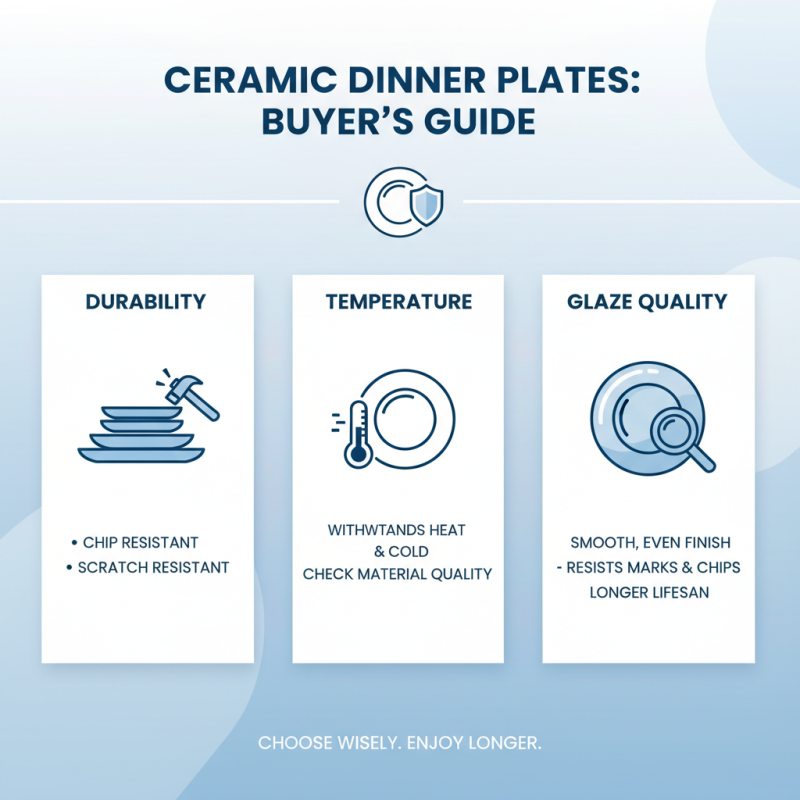
When choosing ceramic dinner plates, material quality is key. Look for plates made from high-fire stoneware or porcelain. These materials provide durability and resistance to chipping. They are less likely to absorb moisture, ensuring they remain hygienic. Take a moment to check if the plates are microwave and dishwasher safe. This can save time on cleaning.
Finishing touches matter as well. A smooth glaze helps prevent scratches and stains. However, avoid dull finishes; they can make the plates look worn quickly. Intricate patterns may catch your eye, but they can hide imperfections. Assess the weight of the plates, too. Heavier options often indicate better craftsmanship. Pay attention to the rim – thicker rims may feel clunky.
Remember to think about aesthetics. How will the plates look on your table? Bright colors and designs can elevate a meal. Yet, consider if they match your style. It’s okay if you find your preferences change over time. Design may not be the most important factor, but it definitely influences your dining experience. Choose wisely, as the right plates can enhance both presentation and enjoyment.
Evaluating Different Designs and Patterns for Aesthetic Appeal
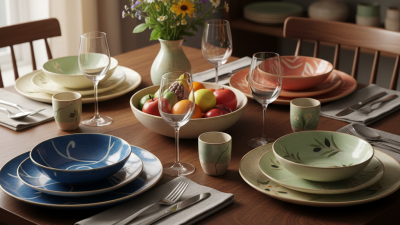
Choosing ceramic dinner plates involves more than just practicality. The designs and patterns can significantly enhance your dining experience. Bold colors and intricate patterns can turn a simple meal into a special occasion. Look for designs that resonate with your personal style. Do you prefer modern minimalism or vintage florals? Each option presents a unique aesthetic appeal.
When evaluating different styles, consider how they relate to your overall décor. A vibrant plate can clash with a subdued table setting. Think about the colors of your kitchen and dining area. You might be surprised at how patterns can clash or harmonize with your space. Some designs might feel too busy against a muted background, while others can act as beautiful focal points.
Reflect on your choices while browsing. It's easy to get caught up in trending designs but remember to select what truly speaks to you. Sometimes, the most beautiful plates have simple designs that tell a story. Ensure that the aesthetic matches with your mood and the theme of your meals. Don’t rush; take your time considering how each plate fits into your vision for dining.
10 Essential Tips for Choosing the Perfect Ceramic Dinner Plates
This chart illustrates the importance of various factors when selecting ceramic dinner plates based on aesthetic appeal. Each factor is rated on a scale of 1 to 10, reflecting their impact on the overall design choice.
Understanding the Importance of Size and Depth in Dinner Plates
When it comes to choosing ceramic dinner plates, the size and depth play crucial roles. Research from the International Tableware Association shows that plate size directly influences portion control. Plates that are too large can encourage overeating. On the other hand, deep plates often hold more food than desired, leading to mixed visuals on the dining table.
A key tip is to consider the typical meal served. For pasta or stews, depth is essential to keep food contained. A depth of around 1.5 to 2 inches is generally suitable. Flat plates work well for salads and main courses, with a diameter of 10 to 12 inches being a good standard. Pay attention to how shapes affect your dining experience. Some people find square plates to be visually appealing but challenging to stack.
Proportion is often overlooked. Many plates feature decorative boundaries that can mislead users about how much food can fit. Miscalculating portion sizes can lead to food waste. It’s wise to think about how your dinner plates can make your meals look appealing while also considering practical usage. Balancing size and depth against your dining style can significantly enhance your meals.
Selecting Safe and Non-Toxic Glazes for Your Dinnerware
Choosing dinner plates is not just about aesthetics. It’s crucial to consider the safety of the materials used. Ceramic dinner plates often use glazes that can contain harmful substances. Lead and cadmium are common concerns. These elements can leach into food, especially when heated. Always check for safety certifications when selecting your dinnerware.
When choosing glazes, look for labels that state they are non-toxic. Some glazes are specially formulated to be food-safe. They might lack harsh chemicals. Read product descriptions carefully; manufacturers should provide this information. You want to choose dinnerware that is both beautiful and safe for your family.
Consider the firing temperature used in the glazing process. Higher temperatures often ensure safer products. However, this doesn't mean all high-fired ceramics are completely safe. Some can still contain traces of harmful materials. Be cautious and informed. You deserve peace of mind while enjoying your meals. Choose wisely, and let your dinnerware reflect both style and safety.