What Is a Glass Cup Set and How to Buy Wholesale?
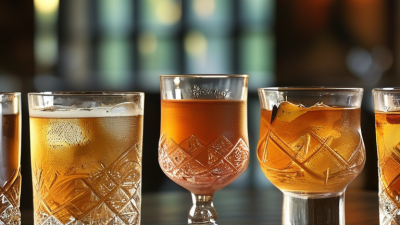
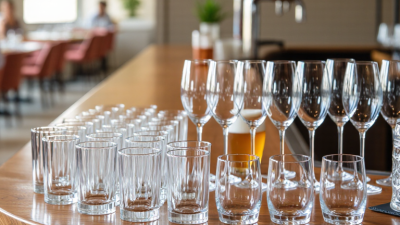
A Glass Cup Set combines matching drinking vessels, often with lids, saucers, straws, or serving accessories. It can include two espresso cups, six tumblers, or coordinated tea glasses. The exact bundle depends on the buyer’s market and use case. A café needs heat-resistant glass and stackable shapes. A gift retailer may prefer decorative packaging and elegant handles.
Demand is supported by broader tableware and hospitality trends. Fortune Business Insights reports continued expansion in the global glass tableware market, driven by home dining, foodservice, and premium presentation. Grand View Research also identifies reusable glass products as part of the wider shift toward durable, lower-waste household goods. These reports do not measure every Glass Cup Set directly. That distinction matters. Market figures can look impressive, yet a supplier may still struggle with slow-moving designs or high breakage rates.
Wholesale buying requires more than comparing unit prices. Buyers should check glass type, wall thickness, capacity, temperature resistance, packaging tests, and replacement policies. A sample order can reveal cloudy surfaces, uneven rims, loose lids, or cartons that collapse under pressure. Certification and test documents should be verified with the manufacturer, not accepted from an unknown reseller. MOQ, lead time, pallet dimensions, and shipping protection also affect the real landed cost. A low quotation may become expensive after breakage and repacking. It happens.
Reliable sourcing usually begins with a clear product specification and a small trial order. Buyers should compare several factories, inspect production samples, and review shipment records where available. Seasonal colors and unusual shapes may attract attention, but classic 250–350 milliliter formats often serve more customers. The best decision balances design, safety, durability, and repeatability.
What Is a Glass Cup Set?
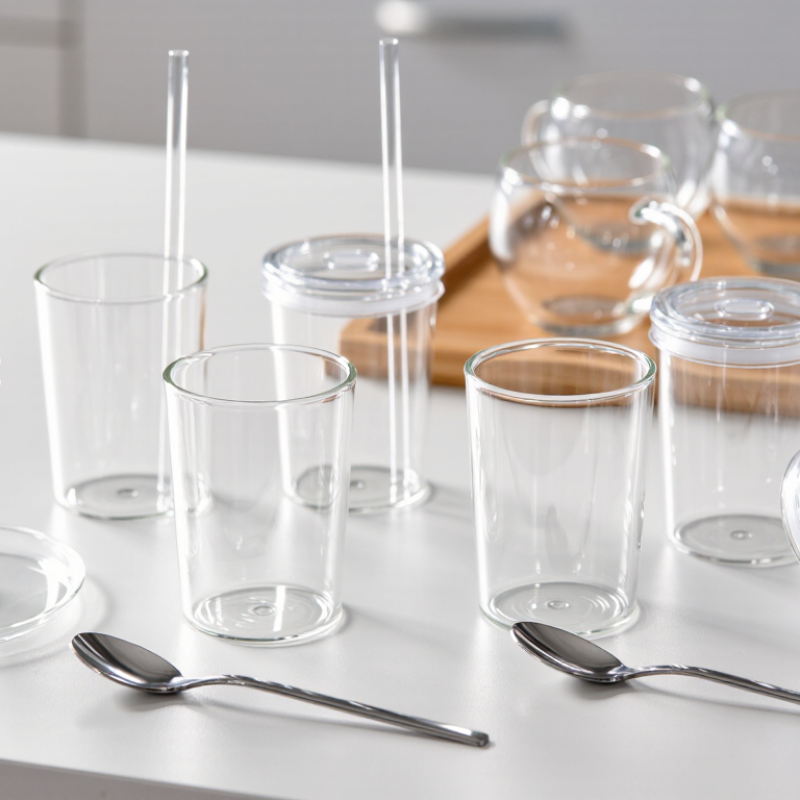
A glass cup set is a coordinated group of drinking vessels, usually sold with two or more matching cups. Some sets include saucers, lids, straws, or a serving tray. The cups may be made from soda-lime glass, borosilicate glass, or tempered glass. Each material creates a different experience. Borosilicate glass handles temperature changes better, while soda-lime glass often offers a lower wholesale cost.
A set should feel consistent in the hand. Look for even rims, stable bases, clear surfaces, and smooth decoration. Small bubbles may be acceptable in handmade glass, but sharp edges are not. I once assumed heavier cups always meant better quality. That was wrong. Weight affects shipping, breakage risk, and customer comfort. According to Grand View Research, the global glass tableware market was valued at about USD 11.6 billion in 2023, with continued growth forecast through 2030. This expansion supports more choices, but it also makes quality comparison harder.
Wholesale buyers should request samples before placing large orders. Test stacking, washing, packaging strength, and hot-to-cold use. Ask for dimensions, capacity tolerance, carton details, and food-contact test documents. ISO 7086 is a useful reference for assessing glass tableware safety performance. A supplier’s claims should match its reports. They sometimes do not. For practical buying, compare the delivered cost, not only the factory price. A beautiful set with excessive breakage is not a profitable set.
What Is a Glass Cup Set and How to Buy Wholesale?
A glass cup set is a group of matching or coordinated drinking glasses sold together, commonly in sets of two, four, six, or more pieces. When buying wholesale, compare capacity, glass type, packaging, minimum order quantity, and shipping protection before placing an order.
This chart compares common drinking-glass capacities. The US fluid-ounce values are converted from milliliters using 1 US fl oz = 29.5735 ml.
How to Choose a Reliable Wholesale Glass Cup Supplier?
Choosing a reliable wholesale glass cup supplier requires more than comparing prices. A professional supplier should explain glass types, cup capacity, wall thickness, and production limits clearly. Ask for samples before placing a large order. Hold each cup under bright light. Check for bubbles, uneven rims, scratches, and unstable bases. Small defects can become expensive after shipment.
Request factory photos, quality-control procedures, and relevant food-contact test reports. Reliable suppliers should provide traceable batch information and explain how they handle rejected products. Confirm the minimum order quantity, sample fees, production time, packaging method, and replacement policy in writing.
Strong packaging matters. Dividers, protective sleeves, and drop testing can reduce breakage during transport.
Communication also reveals experience. A trustworthy supplier answers specific questions instead of promising everything immediately. Ask how they manage custom colors, printed designs, and changes in order quantities. Their answer should include realistic limits.
I once focused too heavily on a low quotation and overlooked carton strength. Several cups arrived chipped. That mistake changed my buying process. I now test packaging, not only the glass.
Supplier audits are useful, but they are not perfect. Visit the facility when possible, or use an independent inspection service. Compare inspection results with delivered goods over several orders. A supplier may perform well once and still lack consistent production control. Clear records, honest delays, and practical solutions are stronger signals than polished sales language.
How to Calculate Wholesale Costs and Place an Order?
A glass cup set usually includes matching cups packed for retail or hospitality use. Wholesale ordering needs more than multiplying the unit price by quantity. UNCTAD’s Review of Maritime Transport 2024 states that ships carry over 80% of global trade by volume. Freight changes can therefore reshape your final cost.
Use this landed-cost formula: unit price, packaging, inspection, inland delivery, ocean freight, insurance, duties, and payment fees. For example, 5,000 cups at $1.20 each equal $6,000. Add $0.18 for packaging, $0.03 for inspection, $0.22 for freight, and $0.02 for insurance. With a 3% breakage allowance, the estimated cost is $8,497.50 before taxes and duties. The calculation is not perfect. Confirm the supplier’s Incoterm, currency, carton dimensions, and replacement policy in writing.
Mordor Intelligence’s glass tableware market analysis projects continued market growth through the decade, but demand does not guarantee a safe order. Request a physical sample first. Check rim smoothness, cup weight, clarity, capacity, carton strength, and stacking stability. Ask for tier prices at 500, 1,000, and 5,000 sets. A lower unit price may hide thicker cartons or higher minimum quantities. I would also reserve cash for damaged cartons. Small assumptions often become expensive. Keep the purchase order specific, including artwork approval, delivery dates, inspection standards, and acceptable defect rates.
What Is a Glass Cup Set and How to Buy Wholesale? - How to Calculate Wholesale Costs and Place an Order?
The following table provides a practical wholesale planning example for clear soda-lime glass cup sets. Prices are estimated in USD for budgeting purposes, based on common wholesale specifications. Final costs may vary according to glass thickness, decoration, packaging, destination, order quantity, shipping method, taxes, and import duties.
| Set Code |
Glass Cup Configuration |
Capacity per Cup |
Glass Material |
Pieces per Set |
Minimum Order Quantity |
Planned Quantity |
Estimated Product Cost per Set
(USD) |
Packaging Cost per Set
(USD) |
Estimated Freight per Set
(USD) |
Estimated Total Cost per Set
(USD) |
Estimated Order Total
(USD) |
Typical Production Lead Time |
| GS-250-02 |
Two clear tumbler cups |
250 ml |
Clear soda-lime glass |
2 |
100 sets |
100 sets |
$3.20 |
$0.45 |
$0.85 |
$4.50 |
$450.00 |
25–30 days |
| GS-250-04 |
Four clear tumbler cups |
250 ml |
Clear soda-lime glass |
4 |
100 sets |
100 sets |
$5.80 |
$0.65 |
$1.20 |
$7.65 |
$765.00 |
25–30 days |
| GS-350-06 |
Six clear tumbler cups |
350 ml |
Clear soda-lime glass |
6 |
120 sets |
120 sets |
$9.60 |
$0.90 |
$1.55 |
$12.05 |
$1,446.00 |
30–35 days |
| GS-450-06 |
Six tall clear tumbler cups |
450 ml |
Clear soda-lime glass |
6 |
120 sets |
120 sets |
$12.40 |
$0.95 |
$1.85 |
$15.20 |
$1,824.00 |
30–35 days |
| GS-300-08 |
Eight clear tumbler cups |
300 ml |
Clear soda-lime glass |
8 |
200 sets |
200 sets |
$13.60 |
$1.10 |
$1.60 |
$16.30 |
$3,260.00 |
30–35 days |
| Total Planned Order |
— |
640 sets |
$6,260.00 |
$552.00 |
$933.00 |
$12.10 average |
$7,745.00 |
Before taxes and import duties |
Wholesale cost calculation:
Estimated product cost per set + packaging cost per set + freight allocation per set = estimated total cost per set.
Example:
$9.60 product cost + $0.90 packaging + $1.55 freight = $12.05 estimated landed cost per set before taxes and import duties.
Order total calculation:
Estimated total cost per set × planned quantity = estimated order total.
Note:
Freight is allocated across the planned quantity. Confirm carton dimensions, gross weight, shipping terms, destination charges, payment terms, product tolerances, inspection requirements, and breakage compensation before placing the purchase order.
| Wholesale Ordering Step |
Information to Confirm |
Recommended Record for the Purchase Order |
| 1. Select the cup set specification |
Capacity, number of pieces, rim shape, wall thickness, glass type, dimensions, and intended use |
Product code, technical drawing or approved sample, quantity, and acceptable quality tolerance |
| 2. Confirm packaging requirements |
Individual protection, inner box, master carton, carton size, units per carton, and drop-test requirements |
Packaging description, carton configuration, labeling instructions, and packaging cost |
| 3. Request a complete quotation |
Product price, packaging price, freight, payment terms, production lead time, and quotation validity |
Currency, price basis, shipping terms, payment schedule, and confirmed total cost |
| 4. Check samples and quality |
Visual clarity, bubbles, scratches, chips, rim finish, dimensional consistency, and packing condition |
Approved sample reference, inspection standard, defect limits, and inspection timing |
| 5. Place and approve the order |
Final quantity, delivery address, shipping method, required documents, and deposit amount |
Signed purchase order, invoice, payment receipt, delivery schedule, and document checklist |
| 6. Inspect before shipment |
Quantity, product conformity, carton condition, labeling, and random breakage inspection |
Inspection report, approved shipping release, packing list, and shipment tracking information |