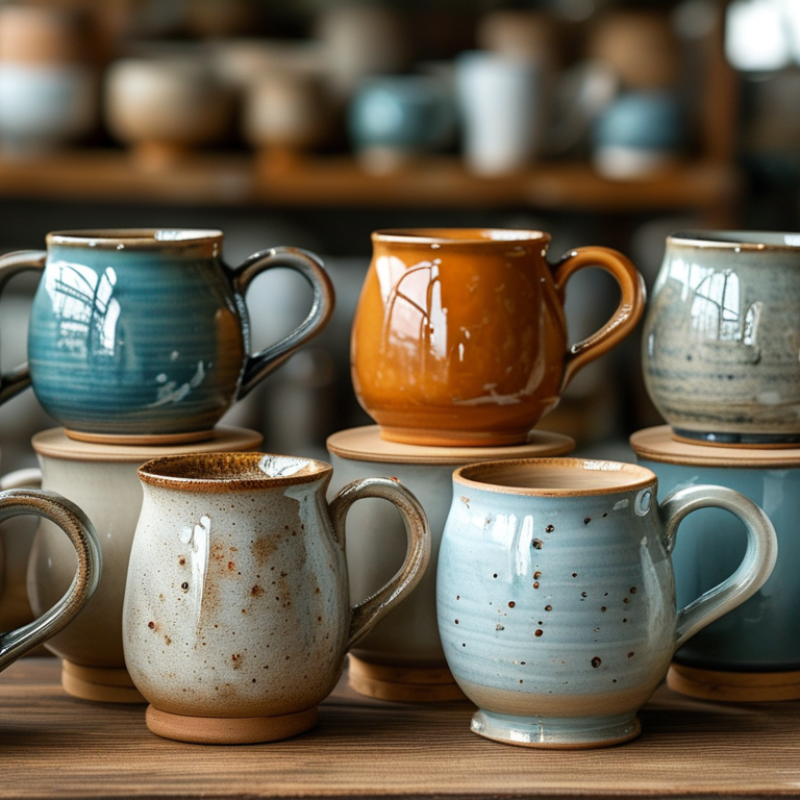
How to Source Bulk Ceramic Mugs for Your Business Needs?
Finding the right supplier for bulk ceramic mugs can be challenging. Many businesses want mugs that are not only functional but also aesthetically pleasing. The right mug can enhance branding and customer experience. It's essential to consider the quality and design of these products.
When sourcing bulk ceramic mugs, assess potential suppliers carefully. Look for manufacturers with a solid reputation in the industry. Reading reviews can provide insights into their reliability. Don't overlook the importance of material quality.
In today's market, customization options are crucial. Many businesses seek unique designs to set themselves apart. However, it’s easy to get lost in the myriad of choices. Take your time to reflect on your brand's identity and the message you want to convey. Balancing quality, cost, and aesthetics is key to making the right choice when sourcing bulk ceramic mugs.
Understanding Your Business Requirements for Ceramic Mugs
Understanding your business requirements for ceramic mugs is essential before making bulk purchases. Various industries, from hospitality to retail, require different types and designs of mugs. Research suggests that over 70% of consumers prefer products that align with their personal branding. This indicates that selecting the right style can significantly impact customer satisfaction.
When determining your needs, consider the mug's purpose. Will it be used for promotional purposes? Or is it meant for everyday use in a café? The design, color, and size should resonate with your target audience. A study by the Promotional Products Association International found that items like ceramic mugs have a much higher recall rate compared to other promotional items, making them an effective marketing strategy.
While sourcing, keep the production quality in mind. Not all ceramic mugs are created equal. Some may chip easily or fade over time. Quality research will pay off in the long run. Think about this: How do you want your brand to be perceived? Investing in quality can set you apart in a competitive market. Look for suppliers who can provide samples before bulk orders. Understand their production processes and timelines to ensure consistency in delivery and quality, ultimately supporting your business goals.
Identifying Reliable Suppliers for Bulk Ceramic Mugs
Finding reliable suppliers for bulk ceramic mugs is crucial for your business. Start by researching suppliers online. Platforms like trade directories and forums can offer valuable insights. Look for suppliers with positive feedback and a strong track record. Visit their websites to check product variety, pricing, and terms of service.
Networking is also vital. Attend trade shows or local markets. Contacting fellow entrepreneurs can lead to recommendations. It's important to verify these recommendations. Not every supplier will meet your quality standards.
Assessing samples before placing bulk orders is a must. This helps you evaluate the quality and craftsmanship. Consider the packaging and shipping options, too. This could affect your overall costs. Some suppliers might offer low-quality mugs at a cheaper price. Be cautious, as this could compromise your brand’s reputation.
Evaluating the Quality of Ceramic Mugs Before Purchase
Evaluating the quality of ceramic mugs before purchase is crucial. Start by examining the finish. A smooth, even surface usually indicates good craftsmanship. Look for any visible flaws, such as cracks or uneven glazing. These imperfections can affect durability and aesthetics. Pay attention to the weight of the mugs as well. Generally, well-made ceramic mugs feel solid and heavy.
Next, consider the color and design. Vibrant colors and intricate patterns can enhance the appeal of the product. Ensure that the colors are consistent and not fading. It's also important to check if the design is printed or painted on properly. If the image shows signs of wear or fading, that's a red flag. Testing the mug’s heat retention can also reveal much about its quality. Fill a mug with hot water and see how long it stays warm. Poor insulation might lead to customer dissatisfaction.
Lastly, always seek samples before placing a large order. This allows for hands-on assessment of the product. Engage with suppliers to understand their production methods and quality control processes. Being knowledgeable about these factors can save time and resources in the long run. Regular reflection on your selection criteria can help enhance your business decisions, leading to better customer satisfaction with your ceramic mugs.
Negotiating Prices and Terms with Suppliers
Negotiating prices and terms with suppliers requires a strategic mindset. Begin by researching multiple suppliers to understand the market rates for bulk ceramic mugs. Gather samples and assess quality before making any decisions. Look for suppliers who offer favorable payment terms, as this can significantly affect your cash flow. Ensure clarity on minimum order quantities to avoid excess inventory.
When entering negotiations, be prepared to ask questions. Don’t settle for the first price presented. Use your research to justify your requests. Consider discussing long-term partnerships, as this could lead to better rates. Suppliers may appreciate a commitment to future orders.
Always document the agreed terms. This helps prevent misunderstandings and protects your interests. Reflect on past negotiations to identify what worked and what didn’t. With experience, your confidence will grow, and you will be better equipped to close favorable deals. Negotiation is a learning process, and improvement comes with practice.
Placing Your Order and Managing Inventory for Mugs
When managing inventory for ceramic mugs, understanding your order placement is crucial. A recent study highlighted that 70% of businesses struggle with stock management. This can lead to overstock, which ties up cash flow. It's essential to analyze your sales data to make informed predictions. Evaluate seasonal trends and customer preferences to optimize your order quantities.
Establishing a reliable supplier relationship is vital. Look for manufacturers who offer consistent quality and timely deliveries. According to a report by the Ceramic Industry Association, businesses that diversify their suppliers can reduce delays by up to 40%. This diversification also helps in mitigating risks related to supply chain disruptions. Regular communication with your suppliers ensures you stay updated on lead times and inventory levels, which is crucial for effective management.
Implementing an inventory management system can simplify the process. Automated tools reduce human error, providing real-time data on stock availability. However, some businesses encounter challenges when integrating these systems. Training staff effectively can help overcome these issues. Identifying and addressing these common hurdles contributes to smoother operations and improved customer satisfaction.