Leave Your Message

Top 10 Ceramic Plate Suppliers for Global Buyers

Global buyers are reassessing Ceramic Plates as demand grows for durable, attractive, and responsibly produced tableware. Fortune Business Insights reports continued expansion in the ceramic tableware market, driven by hospitality, household consumption, and premium dining. Grand View Research also identifies design innovation, online retail, and sustainable production as important growth factors. However, market figures differ. Definitions vary between plates, complete tableware, and ceramic-coated products. That limitation deserves attention.

This guide presents ten Ceramic Plates suppliers for international purchasing teams. It focuses on measurable factors, including factory experience, production capacity, glaze consistency, food-contact testing, packaging strength, minimum order quantities, and export performance. A plate may look flawless under showroom lights. Its true quality appears after repeated dishwasher cycles, sudden temperature changes, and long-distance transport. Lead and cadmium testing should remain essential, not optional.

Edmund de Waal, a respected ceramic artist and author, said, “Ceramics is a language.” His observation explains why small details matter. A slightly uneven rim can change stacking, handling, and customer perception. Supplier selection therefore requires more than comparing catalogue prices. Buyers should request samples, inspection records, audit evidence, and clear corrective-action procedures. Shipping reliability also matters when containers face humid ports, rough handling, or seasonal delays.

The ranking is not absolute. A supplier suited to boutique restaurants may fail a mass retailer’s volume requirements. Price-only comparisons can hide weak packaging, inconsistent firing, or costly replacement claims. Readers should verify current certifications, capacity, and regional compliance before signing contracts. This review offers a practical starting point, not a substitute for independent due diligence.
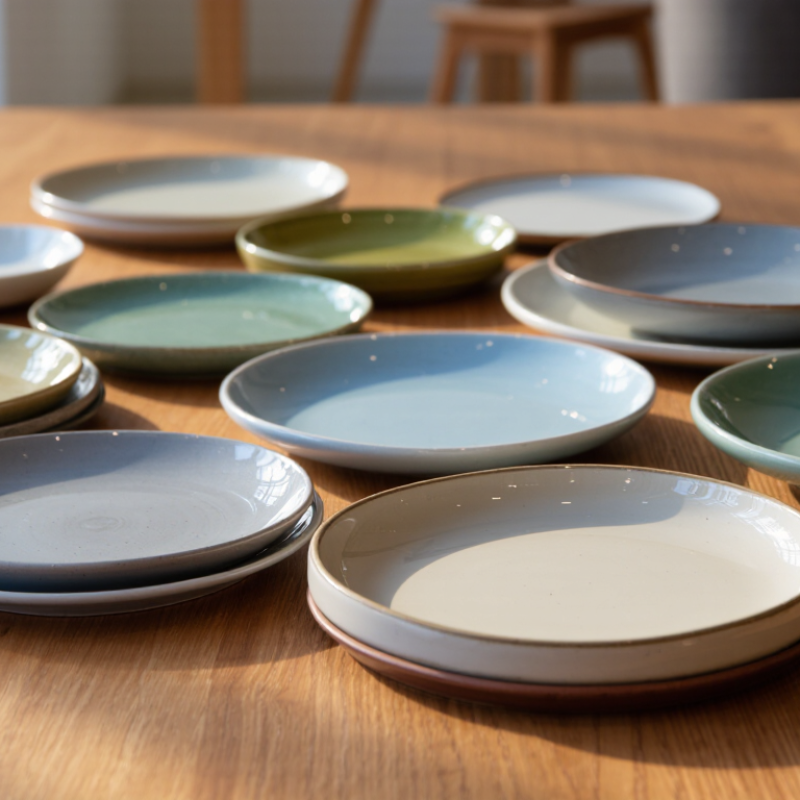
Top 10 Ceramic Plate Suppliers for Global Buyers

Ceramic Plate Suppliers: Industry Scope and Global Market Overview

The ceramic plate supply industry serves households, restaurants, hotels, catering companies, and retail chains worldwide. Demand varies by region, dining culture, income levels, and hospitality investment. Household buyers often seek durable everyday plates, while foodservice operators prioritize stacking efficiency, chip resistance, and consistent replacement supply.

In practical sourcing work, buyers should examine clay composition, firing temperature, glaze quality, and dimensional consistency. These factors affect weight, color, strength, and long-term performance. Food-contact documentation, production audits, and sample testing also deserve attention. Details matter. A plate may look attractive but still show uneven rims or pinholes under strong warehouse lighting.

Global suppliers differ in production scale, export experience, customization ability, and packaging methods. Large factories may support stable volume, while smaller workshops can offer flexible shapes and surface finishes. International purchasing also involves container planning, breakage control, lead-time management, and clear inspection criteria. Sustainable production is gaining attention, including energy-efficient kilns, recycled packaging, and responsible material use. However, environmental claims are not always equally verifiable, so buyers should request measurable evidence.

Market forecasts remain imperfect because freight costs, fuel prices, hospitality demand, and regional currency changes can shift quickly. A supplier’s low quotation may hide higher replacement rates or weaker packaging. Careful buyers compare landed cost, not only factory price, and review communication during sample development. No supplier is perfect. Reliability often appears in small actions, such as accurate carton counts, prompt defect reports, and realistic delivery commitments.
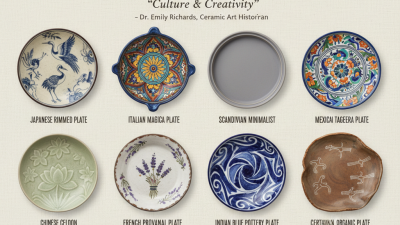
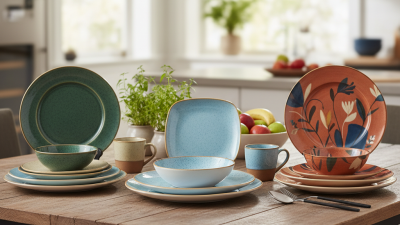
Criteria for Evaluating the Top Ceramic Plate Suppliers

When evaluating the top ceramic plate suppliers, buyers should examine product quality beyond glossy samples. Ask for test reports covering lead and cadmium migration, thermal shock, water absorption, and glaze durability. These tests matter in restaurants, where plates face repeated washing, stacking, and sudden temperature changes. ISO 6486 provides a useful reference for testing ceramic food-contact articles.

Production consistency deserves equal attention. Request inspection records, kiln temperature logs, and sample approval procedures. A reliable supplier should explain its acceptable defect rate, replacement policy, and batch traceability. According to the ISO Survey 2022, more than 1.2 million ISO 9001 certificates were recorded worldwide. Certification supports process control, but it does not guarantee perfect plates. That distinction is often missed.

Commercial evidence is also important. Fortune Business Insights estimates the global ceramic tableware market reached about USD 10.6 billion in 2023 and may grow steadily through 2032. This growth increases supplier choices, but also creates uneven quality. Compare production capacity with your real order volume, not impressive factory claims. Check packaging with a drop-test sample. A beautiful plate arriving with chipped rims is still a failed purchase. I would also request a small pilot order before signing a large contract. It may feel slower. It can reveal color variation, warped bases, and delayed communication that brochures never show.

Profiles of the Top 10 Ceramic Plate Suppliers Worldwide

Top 10 Ceramic Plate Suppliers for Global Buyers

Supplier One focuses on high-volume porcelain plates, using automated forming and kiln controls for consistent dimensions.

Supplier Two produces handmade stoneware with visible throwing marks and slightly uneven rims. That variation can appeal to boutique restaurants.

Supplier Three specializes in custom hospitality orders, offering logo reliefs, color matching, and repeated sample approval.

Supplier Four supports hotel projects with durable vitrified plates, reinforced edges, and carton-level packing tests.

Supplier Five develops plates with recycled clay content and provides material documentation for buyer review.

Supplier Six is known for reactive glazes, where each firing creates small differences in tone. Buyers should request a tolerance range.

Supplier Seven makes lightweight plates for airlines, cafeterias, and large dining operations.

Supplier Eight concentrates on premium tableware, combining smooth surfaces with careful glaze inspection.

Supplier Nine serves smaller retailers through flexible minimum order quantities and seasonal designs.

Supplier Ten emphasizes export coordination, barcode labeling, pallet planning, and replacement policies for transit damage.

Reliable sourcing requires more than attractive photos.

Ask for food-contact test reports, firing temperatures, lead and cadmium compliance documents, and recent production samples. Check whether the sample matches mass production. It often does not. Experienced buyers also inspect foot rings, stacking stability, dishwasher resistance, and edge impact performance. A supplier may offer excellent craftsmanship but lack dependable delivery records. Another may ship efficiently while providing fewer design options. The strongest choice depends on evidence, not promises, and every profile deserves independent verification.

Comparison of Product Range, Quality, Pricing, and Production Capacity

Top 10 Ceramic Plate Suppliers for Global Buyers

Global buyers should compare ceramic plate suppliers beyond catalogue size. A broad product range may include dinner plates, side plates, bowls, chargers, and custom shapes. However, variety can reduce production focus. Ask whether each supplier maintains consistent dimensions across collections. A 26-centimeter plate should remain stable after repeated firing. Small differences can disrupt restaurant stacking and packaging.

Quality depends on clay preparation, glaze control, firing temperature, and inspection records. Request samples from different production batches. Check the rim, foot ring, surface gloss, color accuracy, and resistance to cutlery marks. Pricing should include decoration, packaging, tooling, testing, and shipping preparation. The cheapest quotation may hide weaker cartons or higher defect rates. Production capacity also matters. Review monthly output, kiln schedules, lead times, minimum order quantities, and backup facilities. A supplier with large capacity may still prioritize larger contracts.

Tips: Compare three written quotations using the same specifications. Record sample results with photographs and measurements. Confirm replacement policies before placing an order. An on-site or independent factory audit adds useful evidence, though it cannot predict every shipment problem. I have found that clear drawings prevent more disputes than attractive catalogues. Still, even careful buyers can overlook seasonal capacity pressure. Leave time for one corrective production run, especially for custom colors or irregular shapes.

Top 10 Ceramic Plate Suppliers for Global Buyers - Comparison of Product Range, Quality, Pricing, and Production Capacity

Rank Supplier Reference Primary Production Region Product Range Material & Firing Quality Indicators Indicative FOB Price
per 10-Inch Plate
Typical MOQ Standard Lead Time Estimated Monthly Capacity Customization Capability Best Fit for Global Buyers
1 Supplier A East China Hotelware, restaurant plates, coupe plates, rimmed plates, serving platters, bowls Vitrified porcelain and high-fired ceramic; approximately 1,300–1,400°C Consistent glaze coverage, low water absorption, chip-resistant commercial lines, export inspection available US$1.10–2.40 3,000 pieces 35–50 days 1.2–1.8 million pieces High: decals, embossed logos, color matching, shape development, gift packaging Large hospitality projects and distributors requiring broad product coverage
2 Supplier B Central China Porcelain tableware, stoneware plates, reactive-glaze collections, kitchen and dining sets Porcelain and stoneware; high-temperature firing with reactive and matte glaze options Uniform dimensions, glaze testing, food-contact documentation, strong assortment flexibility US$1.35–3.20 2,000 pieces 40–60 days 700,000–1.1 million pieces High: private labels, custom colors, rim printing, retail-ready packaging Retail chains and buyers seeking contemporary collections
3 Supplier C South China Fine porcelain plates, hotel banquetware, whiteware, specialty serving pieces Hard-paste porcelain; high-fired body with smooth, bright white finish High whiteness, flatness control, professional sorting, durable glaze on commercial ranges US$1.60–3.80 1,500 pieces 30–45 days 500,000–800,000 pieces Medium to high: logos, edge bands, custom shapes, premium packing Hotels, airlines, catering groups, and premium foodservice buyers
4 Supplier D North China Everyday ceramic plates, stoneware dinner sets, promotional tableware, basic whiteware Stoneware and earthenware options; standard high-temperature production Competitive quality for volume programs, routine dimensional checks, standard food-safety testing US$0.75–1.70 5,000 pieces 30–45 days 1.5–2.2 million pieces Medium: logo printing, standard molds, color selection, carton customization Value-focused importers, promotional programs, and high-volume wholesalers
5 Supplier E Southwest China Hand-finished stoneware, artisanal plates, reactive glazes, rustic and organic collections Stoneware and semi-vitreous ceramic; high-fired reactive and textured glazes Hand-finished character, glaze variation controls, batch sampling, distinctive surface design US$2.00–4.50 1,000 pieces 45–70 days 250,000–450,000 pieces High for collections: glaze trials, custom shapes, handmade details, packaging design Boutique retailers, restaurants, lifestyle brands, and design-led projects
6 Supplier F North Vietnam Stoneware plates, handmade-look dinnerware, hotelware, embossed and colored collections High-fired stoneware; matte, satin, speckled, and reactive glaze finishes Strong manual finishing, export packing experience, batch consistency checks, food-contact testing US$1.45–3.60 2,000 pieces 45–65 days 400,000–750,000 pieces High: custom glazes, textures, embossing, decals, branded cartons Buyers diversifying supply chains or sourcing handmade-style collections
7 Supplier G West Java Stoneware tableware, casual dining plates, resort collections, hand-painted designs Stoneware and ceramic; medium-to-high firing with painted and reactive finishes Decorative quality control, hand-painting inspection, small-batch flexibility, export packaging US$1.70–4.20 1,000 pieces 50–75 days 180,000–350,000 pieces High: hand painting, custom decoration, glaze development, shape adaptation Resorts, restaurants, boutique stores, and decorative tableware programs
8 Supplier H South Asia Porcelain and stoneware plates, hotelware, printed dinnerware, institutional tableware Porcelain, vitrified ceramic, and stoneware; high-fired commercial bodies Commercial durability, standardized production lines, routine food-contact and abrasion checks US$1.25–2.90 3,000 pieces 45–65 days 600,000–1 million pieces Medium to high: transfers, edge decoration, standard custom molds, institutional packaging Foodservice distributors and institutional purchasing programs
9 Supplier I Southern Europe Premium porcelain, fine dining plates, designer collections, hotel and catering ranges Fine porcelain and vitrified ceramic; high-temperature firing with refined glazes High dimensional precision, premium finish, strict visual grading, strong design development US$3.50–8.50 500 pieces 35–60 days 150,000–300,000 pieces High: custom shapes, artwork, premium decoration, collection development Luxury hospitality, fine dining, premium retail, and design projects
10 Supplier J Eastern Europe Stoneware and porcelain plates, hotelware, classic whiteware, decorated dinnerware Vitrified ceramic and porcelain; high-fired bodies with durable glaze systems Reliable commercial performance, controlled glaze finish, batch traceability, export compliance support US$2.20–5.40 1,000 pieces 40–60 days 250,000–500,000 pieces Medium to high: decals, printed rims, custom assortments, packaging and labeling European distributors, hospitality buyers, and medium-volume importers
Indicative comparison based on commonly quoted export ranges for standard 10-inch ceramic plates. Actual pricing, capacity, lead time, testing, and minimum order quantities vary by design, decoration, packaging, destination, order volume, and production season.

Global Buying Guide for Selecting the Right Ceramic Plate Supplier

Selecting ceramic plate suppliers requires more than comparing catalog prices. Grand View Research estimates the global ceramic tableware market will expand steadily through 2030, increasing competition among exporters and factories. For global buyers, supplier reliability now matters as much as design.

When reviewing ten potential suppliers, request recent food-contact test reports, kiln-temperature records, and production samples from the same batch. Check lead and cadmium migration under the destination market’s rules. ISO 6486 testing can support this evaluation. A glossy sample may still mislead. Inspect the foot ring, glaze thickness, edge finishing, and carton protection. Small defects often appear after stacking and repeated washing.

Capacity claims also need evidence. Ask for monthly output, mold ownership, firing schedules, and peak-season lead times. Compare defect rates, not only quoted prices. Fortune Business Insights reports continued growth in the ceramic tableware market, which may increase pressure on raw materials and delivery schedules. Clarify whether the quotation includes molds, packaging, inspections, and replacement procedures. It should.

Sustainable purchasing deserves practical scrutiny. Request information about recycled packaging, kiln energy use, and wastewater controls, but treat vague claims carefully. A supplier with clear records is usually easier to audit. Still, no checklist is perfect. One overlooked detail, such as a plate diameter tolerance, can disrupt an entire restaurant setting. Get signed specifications before approving mass production.

Top 10 Ceramic Plate Suppliers for Global Buyers

Global Buying Guide for Selecting the Right Ceramic Plate Supplier

For global ceramic plate sourcing, product quality and compliance typically carry the greatest purchasing weight, followed by production capacity, delivery reliability, customization capability, cost competitiveness, and communication efficiency. Buyers can use these criteria to compare suppliers without relying only on unit price.