Top Glass Cups for Every Occasion Which One Should You Choose?
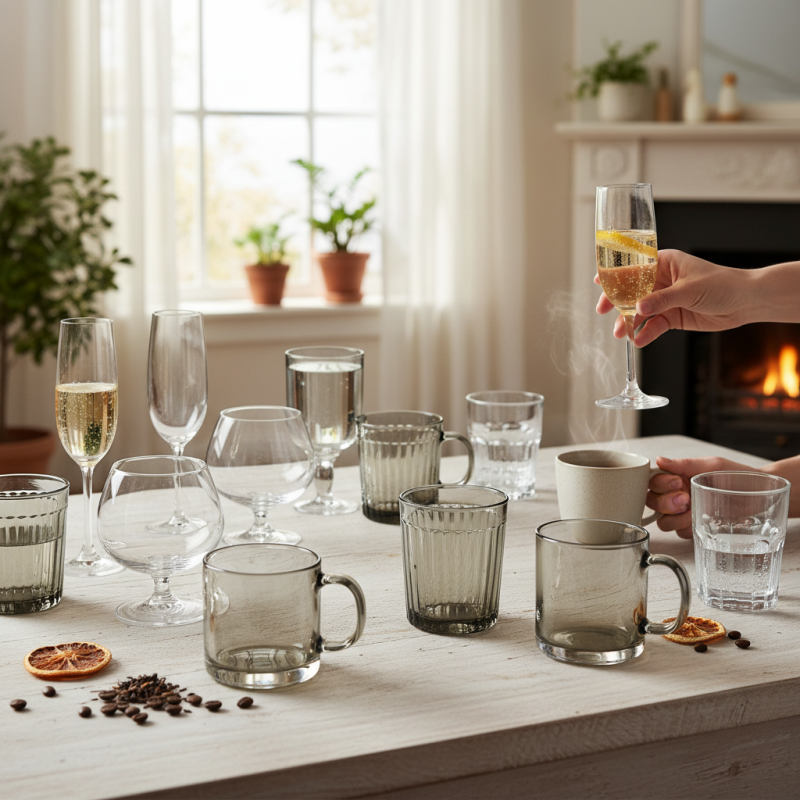
When it comes to choosing the perfect glass cups, options abound. The right glass cup can elevate your beverage experience. It transforms simple moments into something special. Whether you are hosting a dinner party or enjoying a quiet afternoon, glass cups are essential.
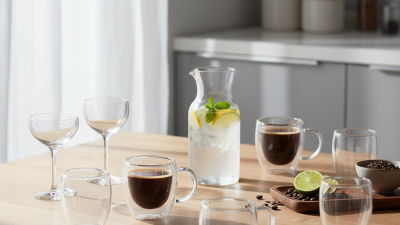
These cups come in various shapes and sizes. Some are elegant and tall, perfect for cocktails. Others are sturdy and wide, ideal for hearty coffees or teas. Each design serves a unique purpose, reflecting your style and occasion. Selecting the right cup may seem simple, yet it prompts thoughts on functionality and aesthetics.
Many people overlook the details in glass cup choices. The texture, thickness, and even the color can drastically change a drink’s presentation. It’s worth pondering if your current collection meets your needs. The right glass cups can enhance your gatherings or daily rituals, inviting conversation and connection.
Top Glass Cups for Everyday Use: Durability and Design Considerations
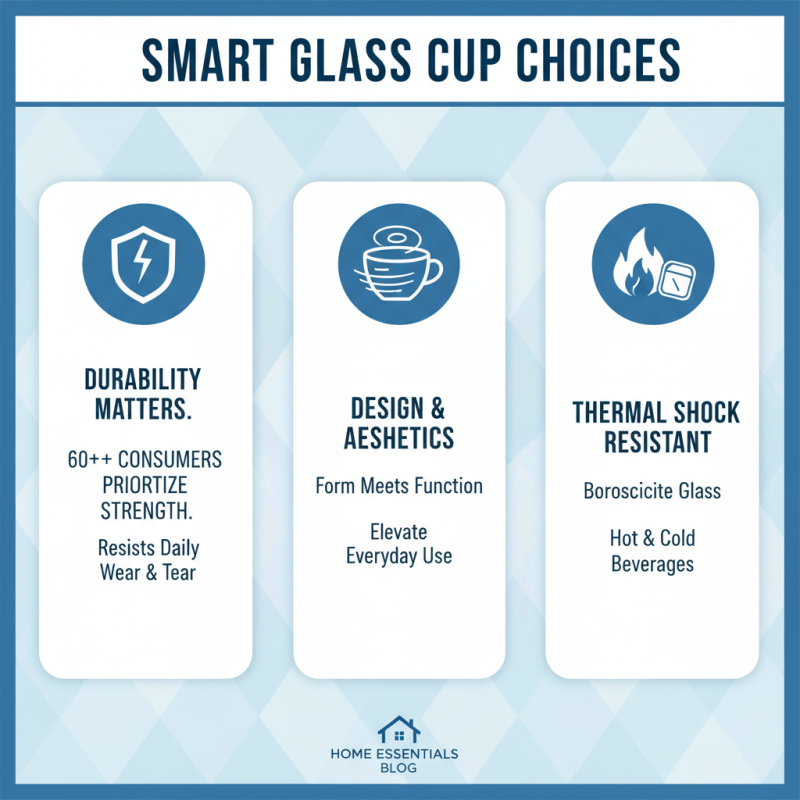
When it comes to selecting glass cups for everyday use, durability and design matter greatly. According to industry reports, over 60% of consumers prioritize durability in their purchasing decisions. A well-made cup can withstand daily wear and tear without compromising aesthetics. Options like borosilicate glass can resist thermal shock, making them ideal for both hot and cold beverages.
Design is equally crucial. Many prefer minimalist designs that fit seamlessly into their kitchens. Interestingly, studies suggest that 40% of consumers feel that the design of a glass cup impacts their overall drinking experience. However, finding a balance between form and function can be challenging. Sometimes, stylish options may lack durability, leading to chips or cracks over time.
One must also consider the environmental impact of glass cups. Reports indicate that glass is 100% recyclable, which adds to its appeal. Yet, many overlook this factor when making a choice. Reflecting on the importance of responsible consumption can guide you towards more sustainable options. By being mindful of both design and durability, you can select a glass cup that meets your needs while supporting the environment.
Understanding Material Types: Glass Varieties and Their Features
When choosing glass cups, understanding material types is essential. Glass can be made from different materials, each with unique features. Soda-lime glass is common for everyday use. It is affordable and durable, making it a popular choice. According to industry reports, over 70% of glass products use this material. However, it can crack under extreme temperature changes.
Borosilicate glass offers another option. It is resistant to thermal shock and is ideal for hot beverages. A report by Glass & Ceramics Research states that borosilicate glass has a lower coefficient of thermal expansion. This means it can withstand extreme temperatures better than standard glass types. However, it is typically more expensive and can be more fragile.
Crystal glass provides stunning aesthetics. It is often cut and polished to create intricate designs. While beautiful, crystal glass contains lead, which raises health concerns. Some studies suggest that lead can leach into beverages over time. Therefore, careful consideration is essential when using crystal cups for daily drinking.
Sizing Matters: Choosing the Right Capacity for Your Beverage Needs
When selecting glass cups, size holds significant importance. The capacity should match your drinking habits and needs. Standard glass cups often range from 8 to 16 ounces. However, larger options exist for those who prefer big servings. For example, coffee drinkers may benefit from larger mugs, while tea enthusiasts might prefer smaller, delicate cups.
According to industry reports, understanding capacity helps reduce waste. A survey showed that 62% of consumers dislike leftovers. Choosing the right size ensures you enjoy every sip without excess. This is especially critical at gatherings. Hosting a class reunion or casual meet-up? Be mindful of portion sizes in your glassware.
**Tips:**
Keep varying sizes for different beverages. Use smaller cups for espresso. Large glasses are perfect for smoothies and cold drinks. It's important to consider your beverage type when selecting the right capacity. Also, choose glasses that you love using to enhance the experience.
Mistakes happen. Some might purchase an extravagant size but rarely use it. Reflect on your habits before making a choice. Observe your day-to-day routines. Sizing matters—get it right to maximize enjoyment.
Heat Resistance: Selecting Glasses for Hot vs. Cold Drinks
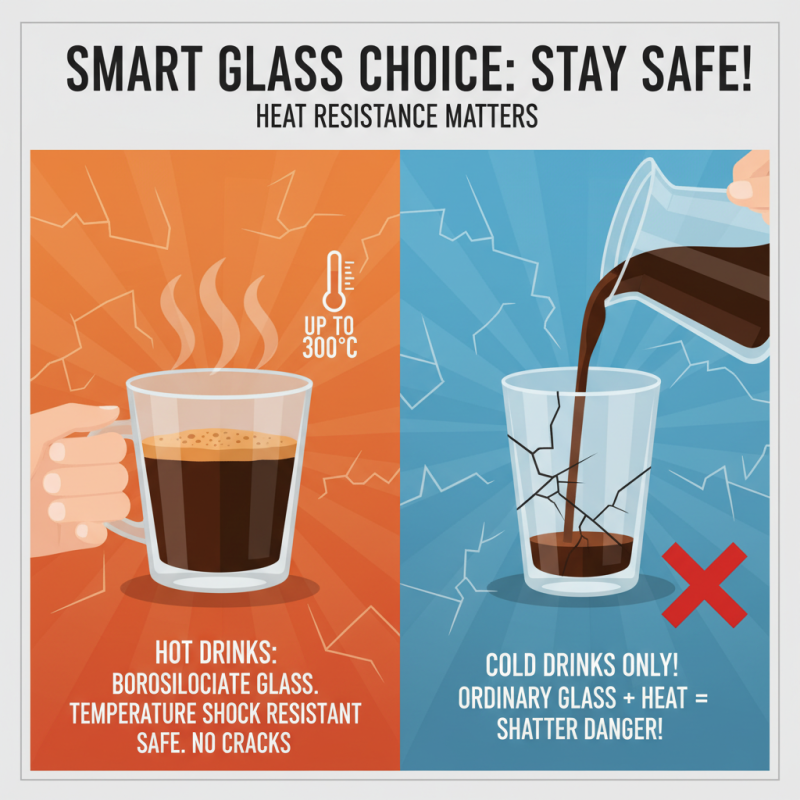
When choosing glass cups, heat resistance is crucial. Different drinks require different materials. For hot beverages, look for borosilicate glass. Reports indicate that borosilicate can withstand temperature changes up to 300 degrees Celsius. This property helps prevent cracking and ensures safety. For example, a hot cup of coffee poured into ordinary glass can shatter.
On the other hand, cold drinks allow for more flexibility. Regular soda-lime glass performs well here. In fact, data shows that soda-lime glass is widely used in the beverage industry. However, it lacks the heat resistance of borosilicate. This can lead to issues when serving beverages with ice or extreme temperature shifts. Designers and consumers both need to consider these factors.
Aesthetic appeal matters, too. Many consumers prefer elegant designs for social settings. However, such cups may sacrifice functionality. A beautifully crafted glass might not survive a drop. It's essential to balance beauty and practicality when selecting glassware. Choosing the right cup impacts both the experience and safety of enjoying your favorite drinks.
Eco-Friendly Options: Sustainability in Glass Cup Production
Eco-friendly glass cups are gaining popularity for good reason. Many manufacturers are now focusing on sustainable production methods. Recycled materials are often used to create these vibrant glass products. This reduces waste and minimizes environmental impact. Each cup crafted with care contributes to a greener planet.
When choosing a glass cup, consider its origin. Some cups may be produced in factories that prioritize eco-friendliness. Yet, others may not meet these standards. Look for options that specify the use of renewable resources. The journey from raw material to finished product is important. Transparency in production helps consumers make informed choices.
There is beauty in simplicity. A well-designed cup can enhance the drinking experience. However, craftsmanship may vary. Investing in higher-quality glass often pays off, but may challenge expectations. Reflect on what sustainability means for you. A glass cup should resonate not just in aesthetics but also in values.