Top Plastic Drinkware Trends for 2026 Are You Ready?
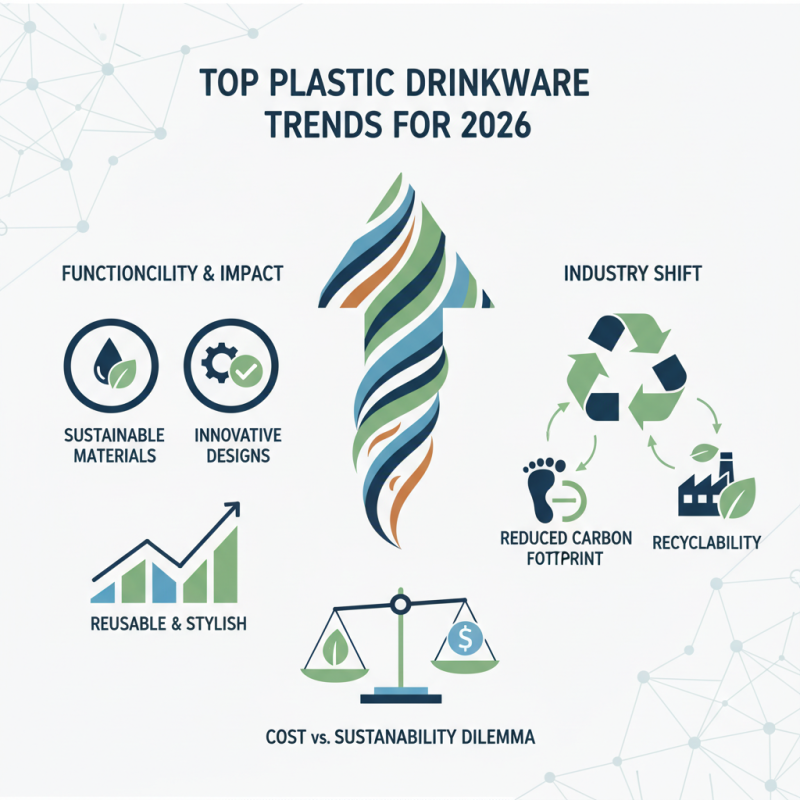
As we look ahead to 2026, the world of Plastic Drinkware is evolving rapidly. Industry expert Dr. Lisa Green, a leading authority in sustainable materials, emphasizes, "The future of drinkware must prioritize both functionality and environmental impact." This insight highlights the growing demand for innovative designs that align with eco-conscious values.
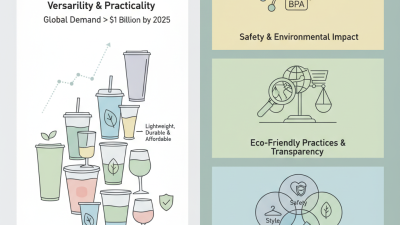
Trends suggest that consumers will increasingly prefer reusable plastic options that blend style with sustainability. Brands are under pressure to create products that resonate with this shift in mindset. The focus on recyclability and reduced carbon footprints will influence product development significantly.
Despite these exciting advancements, challenges remain. Many manufacturers still grapple with finding affordable, sustainable materials. Balancing cost, durability, and environmental impact is a complex task. As we approach 2026, the Plastic Drinkware industry must reflect on these dilemmas while striving to meet consumer needs and expectations.
Emerging Materials in Plastic Drinkware for 2026
As we look toward 2026, the plastic drinkware industry embraces innovation. New materials are emerging, reflecting a shift toward sustainability. Bio-based plastics, derived from renewable sources, are gaining popularity. They reduce the reliance on fossil fuels. This change responds to consumer demand for eco-friendly products.
Recycled plastics are also becoming a common choice. Manufacturers are finding ways to enhance the durability of recycled materials. This leads to drinkware that is both sturdy and environmentally responsible. However, challenges remain. Some consumers question the longevity and safety of these materials. It’s essential for companies to address these concerns transparently.
Another intriguing development is in multi-material designs. Combining different materials can enhance functionality. For example, insulated layers can keep beverages hot or cold longer. Yet, these designs may complicate recycling efforts. The industry must navigate the balance between innovation and environmental impact carefully. Awareness and education about these new materials will be crucial for consumer acceptance in the coming years.
Sustainable Practices Shaping Plastic Drinkware Trends
The rise of sustainable practices in plastic drinkware is reshaping consumer behavior. A recent study by the
Plastic Waste Management Institute found that
75% of consumers prioritize eco-friendly materials. This shift signals
a significant change in the industry. Recyclability and biodegradability are becoming essential features. Companies must
adapt to remain relevant.
In 2026, bioplastics could dominate the market. The
Bioplastics Association predicts that bioplastics will account for
30% of the drinkware industry. This growing trend presents
new challenges. The cost of production remains higher than traditional plastics.
Brands will need innovative strategies to balance cost and sustainability.
Additionally, consumer awareness around plastic waste is increasing. Reports show that
60% of consumers are willing to pay more for sustainable options.
However, many brands struggle to find a reliable supply of eco-friendly materials. This gap highlights a crucial area for
improvement in the industry. Addressing these challenges will be vital for future success. The focus on sustainability is
not just a trend; it’s a necessity.
Innovative Designs and Aesthetics in Modern Drinkware
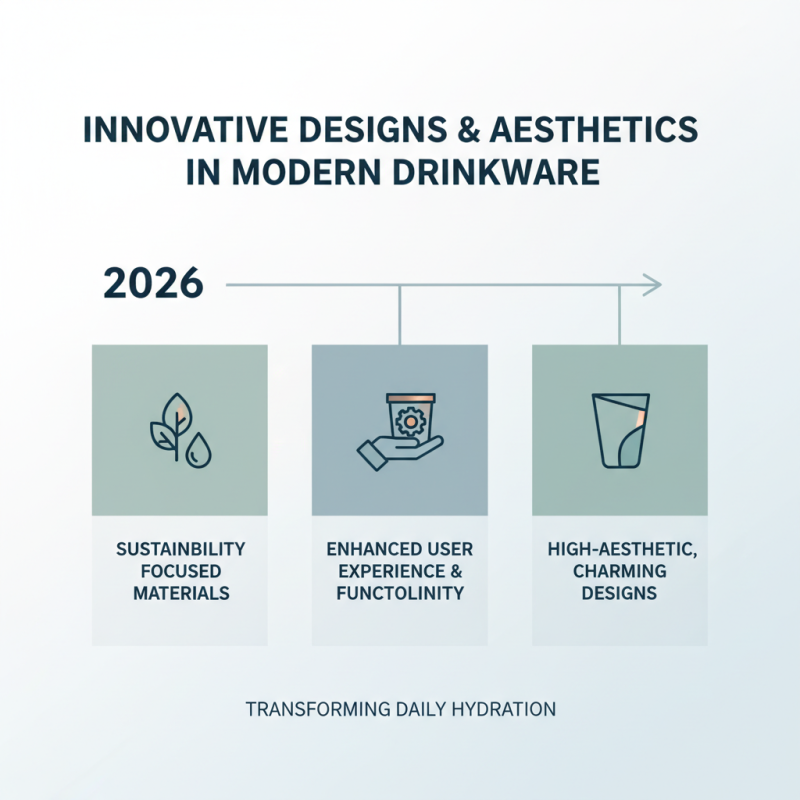
The allure of modern drinkware is transforming daily hydration routines. In 2026, we anticipate a wave of innovative designs. These concepts focus on user experience and sustainability. High functionality meets aesthetic appeal. Expect drinkware that charms you visually and serves practical needs efficiently.
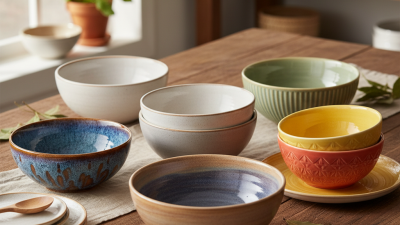
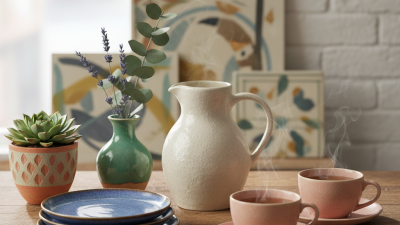
Bold colors and playful shapes are on the rise. Textured finishes and eco-friendly materials will dominate. However, let's not forget the practicality of these designs. They must be easy to clean and durable. This balance is vital for everyday use. Choosing the right drinkware is not just about looks. It’s also about how it integrates into your lifestyle.
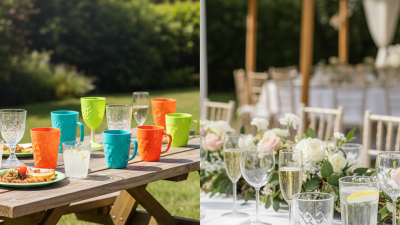
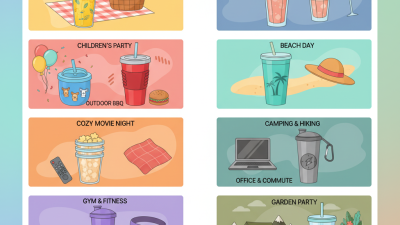
Tip: When selecting drinkware, think about the occasions you’ll use it. A versatile piece can transition from a picnic to a formal event. Some designs may be beautiful but challenging to handle. Always check for comfort and usability. Your drinkware should enhance, not complicate, your routine.
Customization and Personalization Trends in Drinkware
As we approach 2026, the trends in drinkware are evolving significantly. Customization and personalization are at the forefront of these changes. Consumers now seek unique items that reflect their personalities. This desire for individuality is driving manufacturers to explore innovative designs. Personalized drinkware is becoming a way for individuals to express their style.
Consider the impact of customizable options. Customers can choose colors, sizes, and even shapes. Engraving names or fun quotes on bottles adds a personal touch. Some brands are even allowing users to create entirely unique designs. This level of personalization enhances the connection between the consumer and the product. Still, brands must reflect on how to maintain quality amid rapid customization trends. Balancing personalization with efficient production remains a challenge.
The demand for personalized drinkware raises practical questions. How can manufacturers ensure that high-quality materials are used in custom designs? What about sustainability? Addressing these concerns is essential to build consumer trust. While there is excitement about customized drinkware, the journey is not without its hurdles. As the landscape evolves, businesses must adapt to meet consumer expectations while maintaining reliability.
Technological Advancements Impacting Plastic Drinkware Production
Advancements in technology are reshaping plastic drinkware production in exciting ways. In 2026, we expect to see sustainable materials take a central role. A report from the Global Plastic Research Institute noted that the demand for bio-based plastics is expected to increase by 50% within the next three years. This shift is driven by consumer preference for eco-friendly options.
Moreover, automated production lines are enhancing efficiency. According to the International Plastics Association, these technologies can reduce manufacturing costs by up to 30%. This not only lowers prices for consumers but also streamlines the process, minimizing waste. However, the transition to automation presents challenges. Companies need to balance technological investment with employee training programs.
Recycling processes are also evolving, leading to innovative designs. A study by the Circular Economy Network highlighted that only 9% of plastic waste is currently recycled. New technologies could change that. Enhanced recycling methods may increase that percentage significantly. However, there is a risk involved. Not all consumers are committed to recycling, which could hinder progress. Each step toward improvement requires reflection on these realities.
Top Plastic Drinkware Trends for 2026
| Trend |
Description |
Impact |
Projected Growth (%) |
Sustainability Focus |
| Smart Drinkware |
Integration of technology for hydration tracking and temperature control. |
Enhanced user experience and health monitoring. |
25% |
Increased recyclable materials used. |
| Biodegradable Plastics |
Use of plant-based materials that break down naturally. |
Reduction in environmental impact. |
30% |
High emphasis on eco-friendly products. |
| Customizable Designs |
Personalization options for consumers to create unique drinkware. |
Increased customer engagement and brand loyalty. |
15% |
Focus on reducing waste through personalized solutions. |
| Multi-functional Drinkware |
Containers that serve multiple purposes, such as infusing flavors. |
Diverse usage appeals to a broader audience. |
20% |
Encouraging less plastic use overall. |