




Thailand Tableware Market Trends 2026: Material, Style, and Supplier Insights
The Thailand ceramic tableware market has been evolving rapidly in recent years, influenced by global design trends and strong import partnerships with China. From traditional ceramic bowls to modern porcelain dinnerware sets, Thai wholesalers and kitchenware distributors are expanding their product lines to meet both local dining culture and international demand.
In 2025, the Thai market shows increasing interest in high-quality materials, diverse aesthetics, and custom design capabilities — especially from OEM ceramic factories in Chaozhou and Jingdezhen, China’s most famous porcelain hubs.
1. Diverse Materials for Every Dining Style
Thai tableware products now come in a wide range of materials, reflecting the country’s balance between tradition and modern practicality.
Common materials include:
-
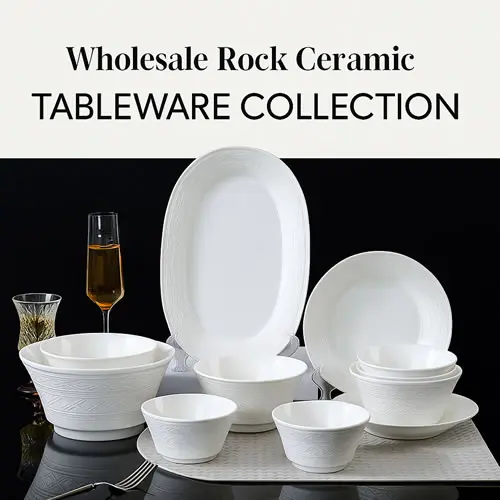
Porcelain – elegant and durable, ideal for hotels and giftware.
-
Stainless steel – practical and long-lasting, widely used in Thai households.
-
Bone china (45%+ bone ash) – luxurious texture with lightweight feel.
-
Glass tableware – modern transparency and heat resistance.
-
Melamine – affordable, durable, and popular for restaurants and daily use.
This diversity helps ceramic tableware suppliers in Thailand meet various needs — from premium dining brands to mass-market distributors.
2. Design Styles Inspired by Global Cultures
In Thailand, the aesthetic range of dinnerware reflects a blend of local and international influences. Popular designs include:
-
Nordic minimalist style for modern homes.
-
Japanese-style bowls and plates for sushi and ramen shops.
-
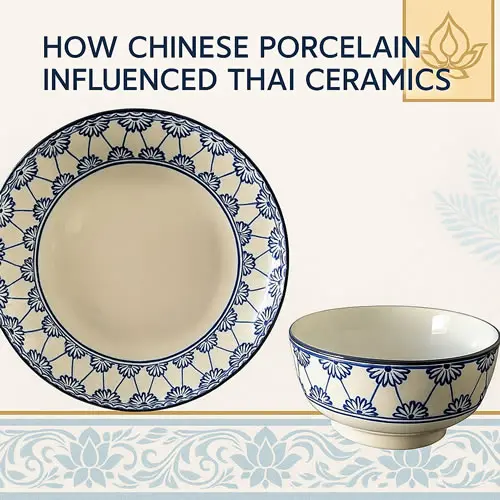
Chinese-style blue and white porcelain, inspired by Jingdezhen craftsmanship.
-
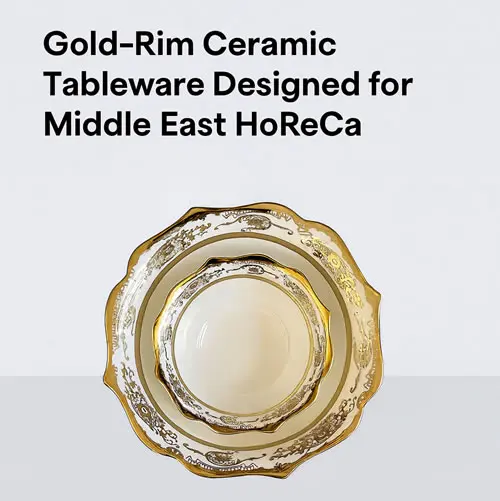
European elegance, often seen in hotel and banquet sets.
-
Korean simplicity, favored by younger consumers.
The growing presence of ceramic dinnerware wholesalers in Bangkok and ceramic kitchenware suppliers in Chiang Mai highlights how Thai retailers embrace global design diversity while maintaining local cultural charm.
3. Sizes, Origins, and Production Sources
Thai tableware distributors import and distribute products in multiple standard bowl rim diameters — including 3.5", 4", 4.5", 5", and 5.5" — to match various dining applications.
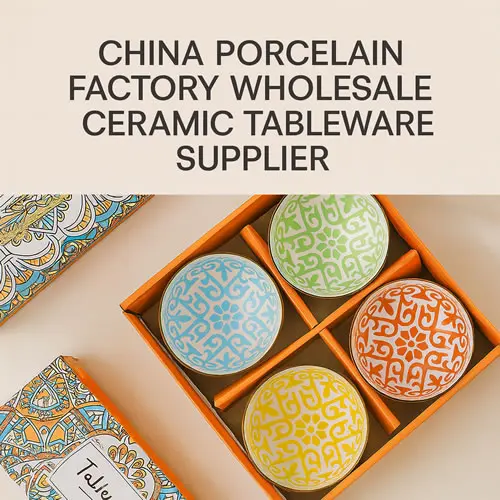
These are typically available in single-piece or 3-piece bowl sets, catering to both retail and catering sectors.
Most high-quality products in Thailand’s tableware market are sourced from China, particularly:
-
Chaozhou City – known for affordable daily-use ceramic bowls.
-
Jingdezhen City – famous for artistic porcelain and blue-white designs.
-
Linyi City – a growing export hub for OEM and wholesale tableware.
These regions provide Thai importers with consistent quality and reliable production for bulk ceramic dinnerware orders.
4. Future Outlook for Thai Ceramic Tableware Market
With Thailand’s hospitality and restaurant industries booming, the demand for custom logo ceramic sets, eco-friendly glaze materials, and wholesale dinnerware suppliers continues to rise.
Importers and distributors are focusing more on lead-free, cadmium-free, and FDA-safe ceramics, aligning with global safety standards.
Partnerships between Thai distributors and Chinese ceramic manufacturers are expected to strengthen further in 2025, supporting sustainable growth and innovation across the Southeast Asian tableware industry.