Global buyers are reassessing how ceramic tableware performs across homes, restaurants, and hospitality projects. Ceramic Soup Bowls now combine functional design, visual appeal, and sourcing flexibility.
Grand View Research identifies rising household consumption and foodservice expansion as important ceramic tableware market drivers. Its Ceramic Tableware Market Size, Share & Trends Analysis Report also highlights demand for durable, attractive products. Mordor Intelligence reports similar growth pressures across the wider tableware market, especially through hospitality and online retail channels. These findings matter because buyers increasingly compare more than appearance.
They compare stackability, glaze quality, thermal resistance, weight, and breakage risk.
This guide examines the 2026 Top Ceramic Soup Bowl Types for Global Buyers. It considers ramen bowls, coupe bowls, rimmed soup bowls, footed bowls, and handmade stoneware designs. A ramen bowl may need generous depth and a stable base. A wide coupe bowl can improve presentation but may reduce stacking efficiency. Small details affect warehouse costs.
Trade data from UN Comtrade and ITC Trade Map places ceramic tableware within HS 6912, supporting more disciplined import analysis. However, trade statistics do not reveal every practical issue. They cannot show pinholes beneath a glaze or the shock of a bowl moving from a hot kitchen to a cool service area. Buyers should verify food-contact documents, testing records, packaging strength, and supplier consistency for each market. ISO 6486 provides a recognized framework for testing ceramic articles used with food.
No single bowl wins.
The most reliable choice depends on menu style, handling conditions, target price, and replacement needs. This overview offers a practical comparison, while acknowledging that design preferences and supply risks can change quickly.
2026 Top Ceramic Soup Bowl Types for Global Buyers
Ceramic soup bowls are shaped by use, not appearance alone. A wide, shallow bowl suits ramen, noodles, and thick soups. A deeper bowl helps retain heat and reduces splashing during transport. Small bowls work for side portions, while 18–24 cm diameters commonly support everyday servings.
Capacity is a practical classification standard. Buyers should compare usable volume, not only the bowl’s outer size. Rim shape also matters. A smooth, slightly raised rim improves handling and supports cleaner serving. Weight deserves attention too. A heavy bowl feels stable, but may increase shipping costs and handling fatigue.
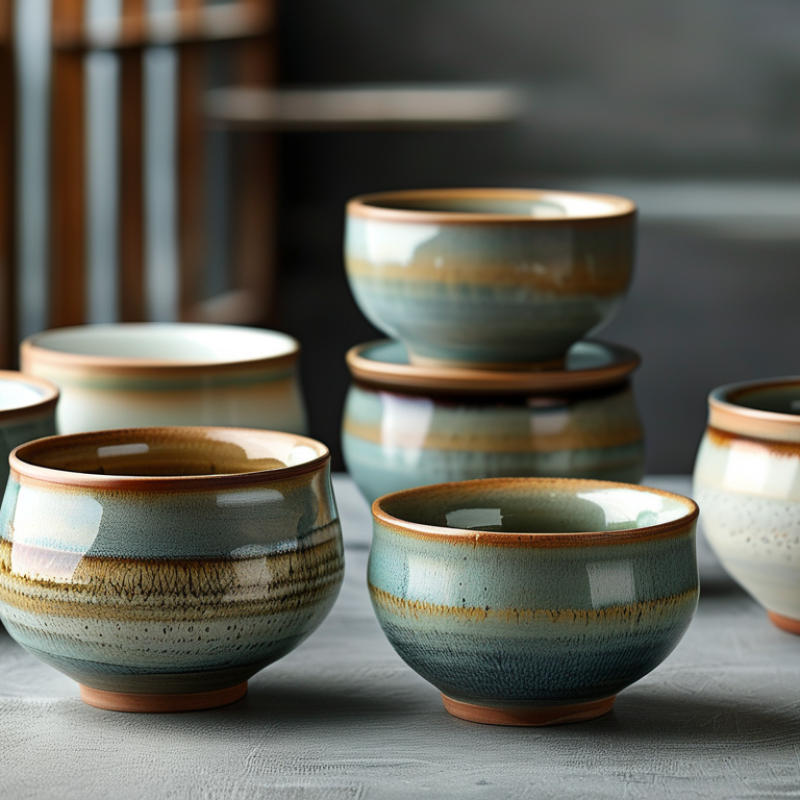
Material and production method affect performance. Stoneware usually offers a dense body and strong heat retention. Porcelain tends to look finer and feel lighter, but its strength depends on formulation and firing control. Glazed surfaces should appear even, without pinholes, crawling, sharp edges, or exposed clay. These small defects can become larger problems after repeated washing.
Food-contact safety requires documented testing for the destination market. Buyers should request records for glaze composition, migration testing, thermal shock, and dishwasher performance. Requirements differ across regions, so one certificate may not cover every market. In my experience, sample testing reveals more than photographs. Still, samples can mislead. Real kitchens expose stacking pressure, sudden temperature changes, and careless handling. Classification is useful, but actual service conditions must guide the final choice.
2026 Top Ceramic Soup Bowl Types for Global Buyers
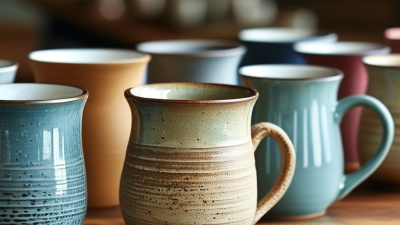
Popular ceramic soup bowl types in 2026 reflect practical dining habits and varied regional preferences. Coupe bowls have wide, curved interiors and suit soups, noodles, and grain dishes. Rimmed bowls provide a clear serving edge and reduce spills during transport. Handled bowls remain useful for casual meals, especially in colder climates. Footed bowls add height and improve table presentation. Small details matter.
Stackable bowls attract restaurants and retailers with limited storage space. Deep ramen-style bowls support generous portions, while shallow bowls suit lighter soups and modern plating. Buyers should compare capacity, rim width, weight, and nesting performance before ordering. A 600-milliliter bowl may serve family meals, but a 350-milliliter size often fits individual portions better. Fit matters more.
From practical sourcing experience, glaze consistency deserves close inspection. Buyers should request samples under natural light and check the base, rim, and interior. Food-contact compliance, dishwasher resistance, microwave suitability, and packaging strength also require written confirmation. A bowl can look attractive yet feel heavy in daily use. Looks can mislead.
Reactive glazes offer visual variation, but that variation may complicate color matching across large shipments. Matte surfaces feel refined, though they can show utensil marks more easily. I would not select one type for every market. Local serving customs, cabinet sizes, shipping distance, and target price can change the best choice. A careful sample review often reveals problems that product photos hide.
| Soup Bowl Type | Typical Capacity | Common Diameter | Key Design Features | Best-Fit Soup Styles | Typical Buyer Segments | Microwave & Dishwasher Suitability | Primary Buying Considerations |
|---|---|---|---|---|---|---|---|
| Classic Round Soup Bowl | 400–700 ml | 18–22 cm | Wide rim Moderate depth Stackable | Clear soups, vegetable soup, chicken soup and everyday family meals | Retail, catering, hotels and household tableware sets | Usually suitable when marked microwave-safe and dishwasher-safe; avoid sudden temperature changes | Balanced capacity, easy storage, rim strength, glaze durability and compatibility with standard place settings |
| Deep Pasta & Soup Bowl | 650–950 ml | 20–24 cm | Deep well Broad rim Multi-purpose | Cream soups, ramen-style dishes, pasta, grain bowls and stews | Foodservice, casual dining, home cooking and online kitchenware retailers | Commonly microwave- and dishwasher-compatible if manufactured with suitable ceramic bodies and glazes | Usable volume, rim width, foot-ring stability, nesting efficiency and resistance to utensil scratches |
| Japanese-Style Donburi Bowl | 700–1,200 ml | 16–21 cm | Tall profile Vertical walls Generous depth | Ramen, rice soup, udon, donburi meals and hearty one-bowl dishes | Asian restaurants, specialty retailers, hospitality and consumers seeking larger portions | Often microwave- and dishwasher-safe, subject to decorative finishes, metallic details and manufacturer instructions | Heat retention, comfortable handling, interior depth, stackability and resistance to chipping around the rim |
| French Onion Soup Crock | 350–550 ml | 12–16 cm | Two side handles Thick walls Oven-oriented design | French onion soup, baked soups, gratins and individual casseroles | Restaurants, bistros, catering operations and premium home dining | Only use in an oven when explicitly labeled oven-safe; microwave and dishwasher use depends on the glaze and handle construction | Thermal-shock resistance, handle strength, oven rating, base stability and resistance to baked-on food |
| Handled Soup Mug | 300–500 ml | 10–14 cm | Single handle Compact footprint Easy serving | Instant soup, broth, chowder, porridge and office-friendly meals | Office dining, cafeterias, healthcare facilities, giftware and compact kitchens | Frequently suitable for microwave and dishwasher use, but the handle and decorative coating should be checked | Handle ergonomics, spill resistance, weight, cup-holder compatibility and ease of cleaning |
| Stoneware Soup Bowl | 450–800 ml | 18–23 cm | Dense ceramic body High stability Handcrafted look | Stews, chowders, baked soups and rustic table-service dishes | Restaurants, lifestyle retailers, home dining and hospitality projects | Many stoneware bowls are microwave- and dishwasher-safe; temperature changes and unmarked metallic decoration should be avoided | Body density, glaze consistency, weight, chip resistance, color variation and stacking performance |
| Porcelain Coupe Soup Bowl | 350–650 ml | 20–25 cm | Low profile Smooth rim Formal presentation | Consommé, cream soup, seafood soup and plated starter portions | Hotels, fine dining, banquet service and formal household tableware | Usually compatible with commercial dishwashers; microwave use depends on metallic accents and manufacturer specifications | Whiteness, translucency, rim durability, thermal performance and consistency across production batches |
| Noodle & Pho Bowl | 900–1,500 ml | 18–23 cm | Extra-deep interior Large opening High serving capacity | Pho, noodle soup, ramen, laksa and other broth-based meals with toppings | Asian restaurants, foodservice distributors, specialty stores and large-portion households | Generally suitable for microwave and dishwasher use when free from metallic decoration and properly tested | Capacity after filling, base stability, heat retention, rim comfort, stacking height and shipping weight |
| Lidded Ceramic Soup Bowl | 350–700 ml | 14–18 cm | Fitted lid Heat retention Portable serving | Broth, porridge, meal-prep soup and take-home foodservice portions | Meal-prep users, catering, hospitality, healthcare and takeaway foodservice | Microwave use requires a vented or removable lid design; dishwasher suitability depends on lid fit, glaze and hardware | Lid seal, steam venting, handle safety, leak resistance, total weight and storage efficiency |
| Ramen Bowl with Side Handles | 850–1,300 ml | 19–23 cm | Two side handles Wide opening Easy lifting | Ramen, udon, hot pot portions and large noodle-based meals | Restaurants, casual dining, foodservice supply and home cooks | Often microwave- and dishwasher-safe if the handles are fully ceramic and the bowl has no metallic decoration | Handle temperature, grip comfort, center of gravity, bowl-wall thickness and resistance to thermal shock |
Note: Capacities and dimensions are typical commercial ranges rather than universal specifications. Microwave, dishwasher and oven suitability should always be confirmed through the product’s tested safety instructions, especially for metallic decoration, lids and rapid temperature changes.
For global buyers, bowl shape should follow the meal, not only the shelf. A 14-centimeter rice bowl suits side dishes and controlled portions. A 18-centimeter coupe bowl gives noodles, salads, and soups more room. Deep round bowls retain heat well, while wide rims improve cooling and spoon access. Grand View Research’s Ceramic Tableware Market report estimates the sector could grow at about 5% annually through 2030. That growth increases the need for practical, standardized designs.
Size affects shipping efficiency. Stackable bowls reduce carton volume, but excessive nesting can cause rim abrasion. I prefer a stable foot ring and a 4–6 millimeter rim after repeated commercial handling. Stoneware usually feels heavier and offers strong thermal performance. Porcelain provides a lighter, refined profile, although it may cost more. Vitreous ceramic can support high-volume foodservice when firing quality remains consistent.
Finish changes both appearance and maintenance. Glossy glazes make sauces easier to remove, while matte surfaces create a softer visual effect but may show knife marks. Lead and cadmium release should be tested against applicable market requirements, with ISO 6486 used as a useful technical reference. My early sampling mistake was choosing a beautiful dark glaze without checking scratch visibility. It looked elegant. Then every spoon mark became obvious. Test filled bowls, stacked cartons, dishwasher cycles, and uneven tables before approving a large order.
2026 Top Ceramic Soup Bowl Types for Global Buyers
For global buyers, bowl type affects safety, durability, and testing costs. Porcelain offers low porosity and a clean, refined surface. Vitrified stoneware handles daily heat better, but its heavier body increases shipping risks. Earthenware feels traditional, yet its porous structure needs stronger glaze protection. According to Grand View Research’s 2024 ceramic tableware assessment, the market is projected to grow steadily through 2030. That growth raises supplier pressure. A beautiful bowl is not automatically a safe bowl.
Lead and cadmium migration require documented laboratory testing, especially for bright glazes, decals, and metallic details. Buyers should request test reports under applicable FDA food-contact rules, EU ceramic food-contact requirements, or other destination standards. The European Commission’s Safety Gate 2023 report recorded 3,412 product alerts across consumer goods. This figure shows why traceability cannot remain paperwork decoration. Check glaze composition, firing temperature, thermal-shock performance, dishwasher resistance, and rim strength. ISO 2859-1 sampling can support more consistent inspection, but sampling alone may miss uneven glaze areas. I would not treat one passing sample as permanent evidence.
Tips: Ask for recent migration reports from an accredited laboratory. Match the report to the exact bowl shape, glaze, and production site. Inspect inner curves under strong light. Tiny pinholes matter. Confirm carton cushioning with a drop test. Keep batch records, photographs, and corrective-action notes. Suppliers sometimes change raw materials quietly; buyers should assume change is possible and retest when details shift.
Typical firing-temperature ranges are shown for major ceramic bowl categories. Higher firing temperatures generally support greater vitrification and lower porosity, but firing temperature alone does not prove food-contact safety. Global buyers should also verify lead and cadmium migration testing, glaze safety, thermal-shock performance, dishwasher and microwave suitability, labeling, and destination-market compliance documentation.
Global buyers should match bowl design with serving temperature, stacking needs, and local dining habits. Grand View Research’s 2024 market assessment valued global ceramic tableware at about US$10 billion in 2023. It also expects mid-single-digit annual growth through 2030. Demand is rising, but specifications remain inconsistent across factories.
Request samples with measured diameter, capacity, rim thickness, and weight. A 500-milliliter bowl may hold less after glazing and firing. Ask for firing temperature, clay composition, glaze details, and documented shrinkage rates. Samples still lie. Approve a pre-production sample before confirming volume orders.
Custom patterns should include Pantone references, placement drawings, and acceptable color variation. Metallic decoration needs separate food-contact review.
Supplier evaluation must combine documents and physical checks. The 2024 Mordor Intelligence ceramic tableware report identifies customization and durability as important purchasing factors, but price alone cannot measure either. Review three production batches, not one attractive sample. Check flatness, pinholes, crazing, edge chips, dishwasher resistance, and carton drop performance.
Require migration testing for lead and cadmium under the destination market’s rules. ISO 6486 testing provides a useful technical reference for ceramic food-contact articles. Confirm test laboratories, test dates, and sample identities. Factory audits should examine kiln records, corrective actions, worker training, and traceability. No scoring sheet is perfect. A supplier with excellent samples may still fail on replenishment consistency, which is why pilot orders deserve real scrutiny.