Leave Your Message

2026 Best Ceramic Mugs for Wholesale Buyers

Choosing the right Ceramic Mugs for wholesale is about more than finding a low unit price. Buyers need products that look consistent, feel comfortable, and arrive safely. A mug may seem simple. Yet small differences matter. Handle shape, glaze coverage, rim thickness, and capacity can affect how customers use it every day.

This guide explores what wholesale buyers should check when comparing ceramic mug options for 2026. It covers practical details such as material quality, finish, customization, packaging, and supplier communication. A clear product specification helps reduce surprises. Ask for samples when possible, and check them under ordinary lighting. Look for uneven glaze, rough edges, and noticeable color shifts between pieces. A sample is useful, but it cannot prove that every production batch will match perfectly. That point is easy to overlook.

Price still matters. So do minimum order quantities, lead times, and shipping arrangements. Request written details before placing a large order, especially when printing or custom colors are involved. A dependable supplier should explain these terms clearly and answer reasonable questions. Buyers should also consider who will use the mugs: a café may prefer stackable designs, while a gift shop may value distinctive shapes and presentation. There is no single best choice. The right option depends on the intended customer, budget, and sales channel. Some trade-offs remain, and careful comparison is worth the time.
2026 Best Ceramic Mugs for Wholesale Buyers

Ceramic Mug Types and Their Wholesale Uses in 2026

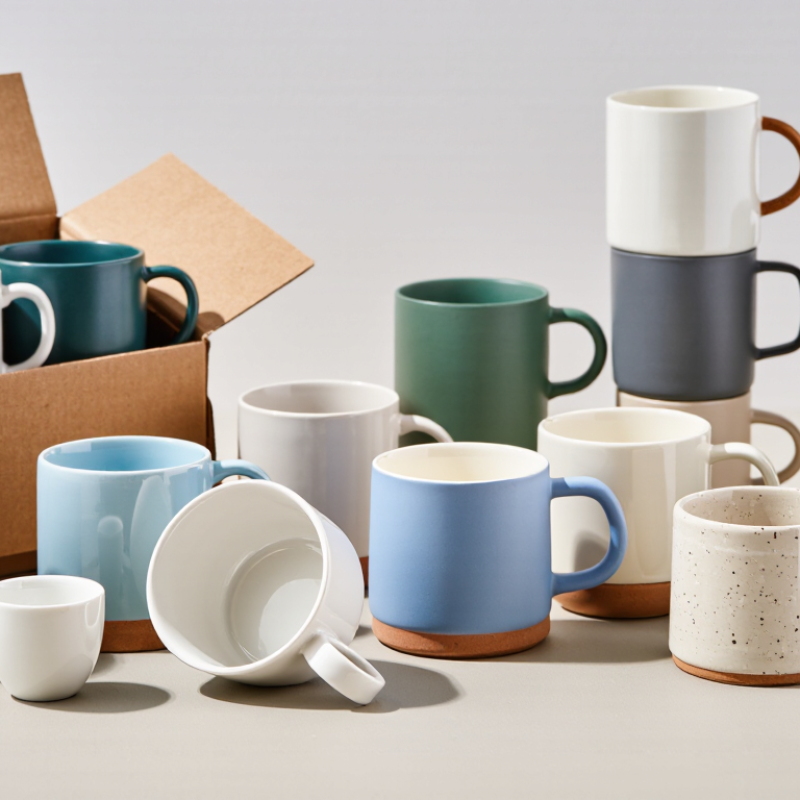
Ceramic mug types serve different wholesale uses in 2026. Standard 11–12-ounce mugs suit offices, cafés, hotels, and promotional orders. Their familiar shape simplifies packing, shelving, and replacement. Espresso cups work better for restaurants and tasting counters, while stackable diner mugs save valuable kitchen space. Travel-style ceramic mugs attract commuters, but lids require stricter fit and leakage checks.

According to the National Coffee Association’s Spring 2024 report, 67% of American adults drank coffee during the previous day. That habit supports steady demand for practical coffee mugs, especially in workplace and hospitality channels. Fortune Business Insights valued the global ceramic tableware market at approximately $10.68 billion in 2023. Its report also forecasts continued growth through 2032. Wholesale buyers should connect each mug type with a clear use case, not only a low unit price.

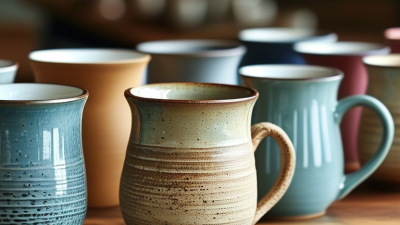
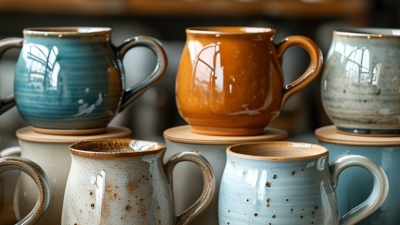
Reactive-glaze and handmade-look mugs add shelf appeal for gift shops and specialty cafés. Yet glaze variation can complicate repeat orders. I would request production samples, measure rim consistency, and inspect the handle under load. Small defects matter. Buyers should also confirm food-contact testing, printing durability, carton protection, and dishwasher guidance. Grand View Research identifies customization and hospitality demand as important tableware growth factors, but market reports cannot replace factory audits. A glossy finish may photograph well, while uneven bases create customer complaints. The best 2026 assortment may combine dependable core mugs with a smaller experimental range. That balance is easy to discuss and harder to maintain.

Key Features to Compare When Choosing Wholesale Ceramic Mugs

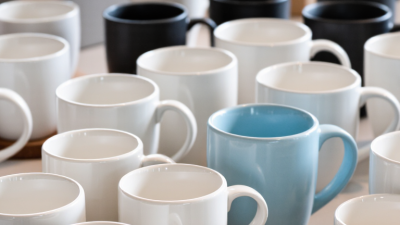
For wholesale buyers in 2026, ceramic mugs should be judged beyond attractive photos. Compare clay quality, wall thickness, glaze coverage, and firing consistency. A dependable mug feels balanced in the hand, with a stable base and comfortable handle. Ask for material specifications and recent production samples. Stoneware often offers stronger daily performance than low-fired ceramic. However, results depend on firing control. Check the rim for smoothness. Small rough spots become obvious in cafés and office kitchens.

Capacity must match the intended use. A 12-ounce mug may suit coffee service, while larger sizes work better for tea or promotional sets. Measure usable volume, not only listed capacity. Compare heat retention, stacking efficiency, and carton dimensions. These details affect storage, shipping costs, and breakage risk. Food-contact safety documents should be current and traceable. Also review handle strength, glaze durability, microwave guidance, and dishwasher testing. Claims without test records deserve caution.

Tips: Order samples from the actual production line, not only a showroom set. Test ten mugs through repeated washing and hot-water cycles. Record chips, fading, wobbling, and handle temperature. Ask about acceptable defect limits in writing. A perfect sample can hide uneven bulk production. That is easy to miss. Leave enough inspection time before approving a large order.

How Materials, Glazes, and Production Methods Affect Quality

For wholesale buyers, a mug’s clay body and firing schedule matter as much as its shape. Porcelain can produce thin, bright walls; stoneware usually feels heavier and more substantial. Neither is automatically better. Ask suppliers for the body specification, firing range, and batch-level inspection records. Small flaws matter.

Glaze quality depends on fit and firing. A glaze that contracts differently from its ceramic body may craze, chip, or develop rough edges after repeated use. ASTM C373 provides a standardized method for measuring ceramic water absorption, a useful check on body maturity. It does not, by itself, prove a mug is durable or food-safe. Request test results for the actual production lot, not only a showroom sample.

Food-contact checks deserve equal attention. The U.S. FDA’s published ceramicware guidance sets an extractable-lead action level of 0.5 micrograms per milliliter for cups and mugs; buyers should confirm applicable requirements in their destination markets. Also inspect handle joins, rim smoothness, glaze pinholes, and color consistency under ordinary lighting. Test the batch. A perfect sample can still hide production drift, and that uncertainty should be recorded rather than waved away.

Wholesale Pricing, Minimum Orders, and Supplier Evaluation

For 2026 wholesale ceramic mugs, buyers should compare landed cost, not catalogue price. Fortune Business Insights estimates the global ceramic tableware market will grow from about USD 10 billion in the early 2020s to more than USD 15 billion by 2030. Demand is expanding, but so are freight, packaging, and inspection costs. A basic 11-ounce mug may quote at USD 0.80–1.40 for large orders, while custom glazing or printing can add USD 0.20–0.70 per unit. These figures are practical benchmarks, not guarantees. Factory location, clay quality, decoration, and shipping terms change the final number.

Minimum orders often range from 500 to 3,000 pieces. Custom colors may require higher quantities because glaze batches must remain consistent. Ask for a pre-production sample, food-contact test documents, carton specifications, and recent defect rates. ISO 2859-1 sampling is useful for independent inspections. Check chipped rims, uneven handles, pinholes, and glaze discoloration under bright light. The International Trade Centre’s trade data can also help compare ceramic tableware import values across supplier regions. Do not judge reliability from a polished sample alone.

Tips: Request three quotations using identical specifications. Confirm whether pricing includes packaging, tooling, inspection, and export documents. Calculate breakage allowance before ordering; 2% may be too low for weak cartons. I have seen attractive quotes become expensive after freight revisions. That is worth questioning. Ask for production photos, video calls, and two customer references. A supplier that avoids simple evidence may create difficult problems later.

Matching Mug Designs to Your Market and Branding Needs

2026 Best Ceramic Mugs for Wholesale Buyers

Matching Mug Designs to Your Market and Branding Needs

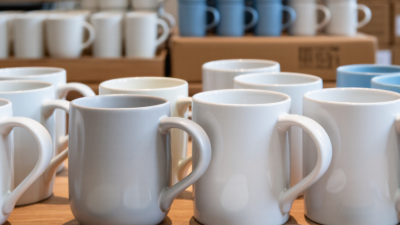
Choose mug designs around how customers will use them, not just how they look in a sample photo. The National Coffee Association’s 2024 National Coffee Data Trends report found that 67% of U.S. adults had coffee in the previous day. For cafés and office suppliers, that supports demand for dependable everyday mugs. Consider a 300–350 ml capacity, a comfortable handle, and a stable base. A matte glaze can suit a handmade feel, while a clean white finish leaves more room for printed logos. Check color consistency across production samples; small glaze shifts can make a branded set feel uneven.

Tips: Match the shape to the shelf and the logo to the viewing angle. Request a physical sample before approving a large order. Test it with the intended drink, dishwasher routine, and packaging.

One limitation: coffee-drinking data does not tell you which mug style a local buyer prefers. A bold, colored mug may stand out in a gift shop but feel out of place in a minimalist hotel. Use sales feedback, audience research, and sample reviews to refine the choice. Branding also needs restraint: a logo placed too close to the handle may disappear in use, while oversized artwork can make a mug harder to pair with other tableware.

2026 Best Ceramic Mugs for Wholesale Buyers - Matching Mug Designs to Your Market and Branding Needs

Mug Design Typical Capacity Shape and Handle Finish Options Suitable Decoration Potential Market Fit Buyer Considerations
Classic straight-sided mug About 300–350 ml (10–12 US fl oz) Cylindrical body with a C-shaped handle Glossy or matte glaze Decal, screen printing, or suitable underglaze decoration General retail, office merchandise, and event programs A versatile format; confirm the printable area and decoration durability with the supplier.
Large-capacity mug About 400–500 ml (14–17 US fl oz) Wider or taller body; usually a substantial handle Glossy, matte, or two-tone glaze Decal or screen printing, subject to the body shape Home, workplace, and gift assortments where a larger serving is preferred Check filled weight, package dimensions, and whether the handle suits the intended users.
Espresso cup About 60–100 ml (2–3.4 US fl oz) Compact cup, commonly with a small handle; saucer may be offered separately Usually glazed; available in coordinated cup-and-saucer finishes Small-area decal or glaze decoration Cafés, hospitality, and coffee gift sets Small surfaces limit artwork size; verify cup and saucer compatibility if sold as a set.
Stackable mug About 250–350 ml (8.5–12 US fl oz) Designed with a foot or profile that allows stable stacking Commonly glossy; color options depend on the production range Decal or screen printing on the available flat area Food service, shared kitchens, and space-conscious retail Request a stacking sample and test stability, rim clearance, and storage fit.
Speckled stoneware-style mug About 300–400 ml (10–13.5 US fl oz) Rounded or gently tapered body; handle shape varies Speckled or reactive-look glaze; appearance can vary between pieces Decoration on a clear, even area; confirm compatibility with textured finishes Gift, homeware, and assortments seeking a handcrafted visual effect Ask for production samples and agreed color tolerances; glaze variation is not always uniform.
Two-tone interior-and-handle mug About 300–350 ml (10–12 US fl oz) Simple body with a contrasting interior glaze, handle, or both Contrasting glazed colors Exterior decal or screen printing, depending on glaze and shape Promotional collections, color-coordinated gifts, and retail ranges Confirm color matching, decoration placement, and whether the interior color affects the design brief.
Straight-sided travel-style ceramic mug About 300–400 ml (10–13.5 US fl oz) Tall ceramic body; some versions are supplied with a separate lid Glazed exterior; lid material and fit vary by model Exterior decal or printing where the body allows Commuter-oriented gifts and desk use Do not assume leak resistance or thermal insulation; verify lid fit and product claims.

Capacities are indicative examples, not fixed industry standards. Actual dimensions, glaze, decoration methods, food-contact compliance, care instructions, and order quantities vary by product and supplier. Request current specifications and samples before placing a wholesale order.