Leave Your Message
Choosing the best Glass Cup Set starts with how you actually drink, not how a product looks in a staged photo. A morning glass of water, a strong iced coffee, and a warm cup of tea place different demands on shape and capacity. Notice the rim, the weight in your hand, and whether the base feels steady on a crowded table. Small details matter.
Glass type and construction deserve a closer look. Borosilicate glass is often chosen for its resistance to sudden temperature changes, while ordinary glass can suit everyday cold drinks. Still, no glass is unbreakable, and product descriptions should be checked for clear care instructions. Look for smooth, even rims, consistent thickness, and a stable base. If possible, hold a sample before buying; photographs rarely show how a cup feels when full.
The right set should also fit your routine. Consider how many cups you need, whether they stack safely, and if they fit your shelves or dishwasher. A set used daily may benefit from simple shapes and easy cleaning, while occasional entertaining leaves more room for decorative designs. Check the stated capacity rather than guessing from product images. A 300-milliliter cup can look larger online than it feels at the table. There is no perfect choice for everyone. I have learned that attractive cups can become inconvenient when they are too heavy or awkward to store. Compare practical details with style, and choose a Glass Cup Set you will genuinely enjoy using.
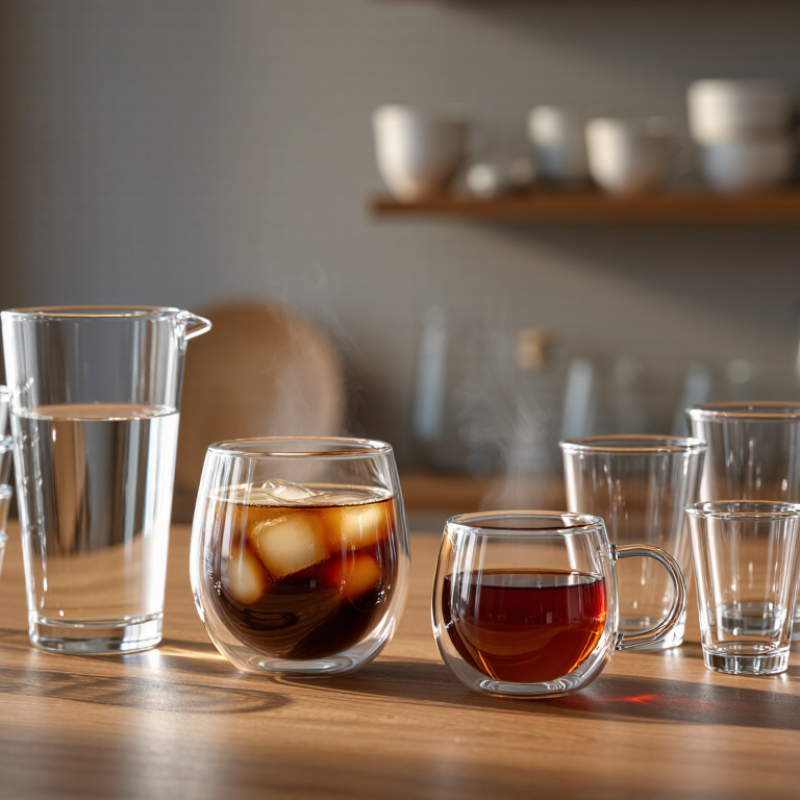
Choosing a glass cup set starts with how you drink, not how it looks on a shelf. Straight-sided tumblers suit water, juice, and everyday iced drinks. Taller, narrower glasses help contain fizzy drinks, while small, thick-bottomed glasses work well for spirits served without much ice. Stemmed glasses keep hands away from chilled wine. Double-wall cups can slow heat transfer, but their delicate construction may need gentler handling.
Material matters. Soda-lime glass is common for everyday cups; borosilicate glass generally tolerates temperature changes better, though no glass is immune to thermal shock. Check the maker’s stated temperature range and care instructions before pouring hot tea into a cold cup. A set marked dishwasher-safe is convenient. Still, inspect rims and handles after washing. Small chips can be easy to miss.
Durability and reuse deserve a look, too. The U.S. Environmental Protection Agency’s 2018 Advancing Sustainable Materials Management report estimates that 12.3 million tons of glass entered the U.S. municipal solid-waste stream, with about 25% recycled. That figure covers all glass, not cups alone, but it is a useful reminder that recycling is not guaranteed. Choose a few sturdy shapes you will actually use. Perfect matching matters less than a comfortable rim, stable base, and cupboards that can hold them.
| Glass Type | Typical Capacity | Best Uses | Design Features | What to Consider When Choosing a Set |
|---|---|---|---|---|
| Water Tumbler | 250–400 ml (8–14 oz) | Water, juice, iced tea, and everyday meals | Straight or gently tapered sides; usually has a stable flat base and no stem | Choose a comfortable-to-hold size that fits your cupboards and dishwasher. A thicker base can feel sturdier for daily use. |
| Highball Glass | 240–350 ml (8–12 oz) | Long mixed drinks, sparkling water, soda, and drinks served with ice | Tall, narrow shape leaves room for ice and a mixer | Check that the opening is wide enough for the ice you typically use and that the height fits your shelves. |
| Rocks Glass | 180–300 ml (6–10 oz) | Spirits served neat or over ice, and short mixed drinks | Short, broad bowl with a sturdy base; also called a lowball glass | Look for a stable base and a bowl wide enough for ice. Heavier designs may be less convenient to store or handle. |
| Stemmed Wine Glass | 300–600 ml (10–20 oz) | Red, white, or rosé wine | Bowl, stem, and foot; bowl shape and size vary by style | Consider storage space and stem durability. A versatile bowl shape is useful if you want one set for different wines. |
| Stemless Wine Glass | 350–550 ml (12–18 oz) | Wine, water, and informal meals or gatherings | Rounded bowl with a flat base and no stem | Often easier to store than stemmed glasses, but the bowl is held directly, so hand warmth can affect the temperature of chilled wine. |
| Beer Glass or Mug | 350–570 ml (12–19 oz) | Beer, lager, ale, and other cold drinks | May have straight sides, a curved bowl, or a handle; shapes vary by beer style | Choose a size that suits your serving portions. Check the handle, rim, and overall weight for comfortable use. |
| Glass Coffee Mug | 250–400 ml (8–14 oz) | Coffee, tea, hot chocolate, and other warm drinks | Usually has a handle; clear sides show the drink and any layers | Confirm the maker’s heat-use guidance before pouring hot liquids. Not every glass mug is designed for sudden temperature changes. |
| Tea Cup with Saucer | 150–250 ml (5–8 oz) | Tea and smaller hot-drink servings | Smaller cup, often with a handle, paired with a saucer | Check whether saucers are included and whether the cup shape and handle are comfortable for your usual serving style. |
| Espresso Glass | 60–120 ml (2–4 oz) | Espresso, macchiato, and other small coffee servings | Compact size; some designs have double walls for insulation | Check that the opening works with your espresso machine or serving routine. Follow care instructions for double-wall designs. |
Note: Capacities are typical ranges, not fixed standards; dimensions vary by design. Always check the product’s care instructions, especially for dishwasher use, hot liquids, and rapid temperature changes.