Top 10 Tips for Choosing the Best Plastic Drinkware?
Plastic drinkware has become essential in our daily lives. This industry has seen significant growth, projected to reach $20 billion by 2025. Consumers increasingly prefer durable and stylish options. According to Andrew Martin, an industry expert at the Beverage Container Association, "Choosing the right plastic drinkware is crucial for both functionality and sustainability." His insight highlights the importance of making informed decisions.
When selecting plastic drinkware, several factors come into play. Quality, design, and safety are paramount. Research indicates that nearly 70% of consumers prioritize BPA-free products. However, many overlook the impact of design on usability. Aesthetics can greatly influence purchasing behavior.
In this rapidly changing market, it can be overwhelming to find the best options. With so many choices available, it's easy to make mistakes. This guide aims to provide clear tips to navigate the world of plastic drinkware effectively. Your choices today can impact both your enjoyment and the environment.
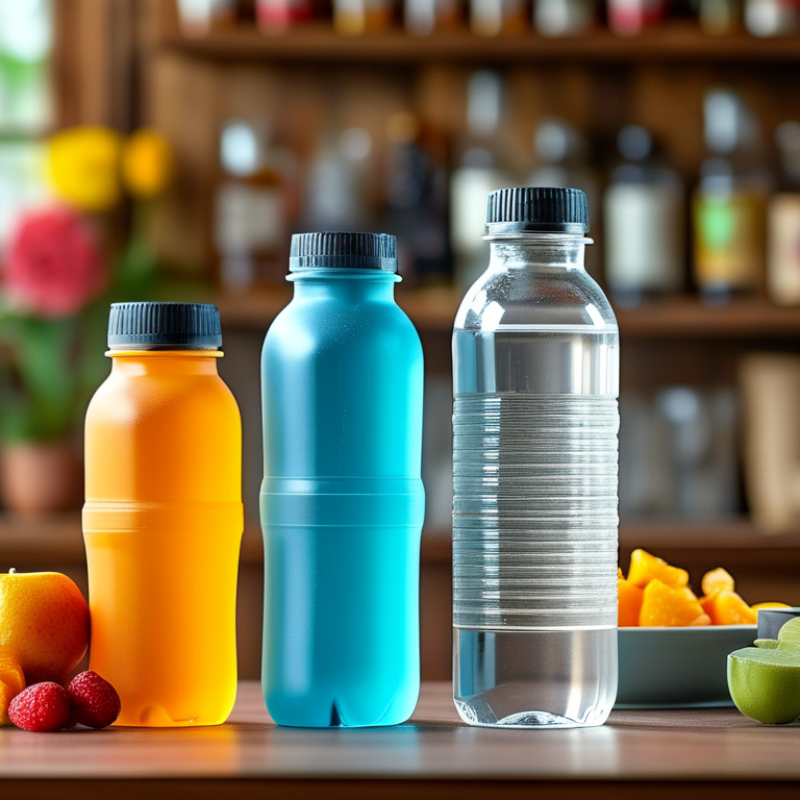
Understanding the Different Types of Plastic Drinkware Available
When choosing plastic drinkware, it's crucial to understand the types available. Various kinds of plastic materials offer different benefits. Polyethylene is common; it's lightweight and durable. However, it may not withstand high temperatures, leading to deformation. Polypropylene, on the other hand, is freezer-safe and can endure hot liquids.
Another option is Tritan, known for its crystal-clear appearance. This durable plastic is resistant to shattering. It's often used for high-quality reusable drinkware. But, not everyone may appreciate its price point. Additionally, find out if the product is BPA-free. This factor impacts safety and usability.
It's also important to consider the intended use. For outdoor activities, thicker, tougher plastics provide better resistance to impacts. In contrast, for everyday use at home, lighter options may suffice. Balance is key; what works for one scenario may not fit another. Ultimately, taking the time to explore these variations ensures you make a more informed decision.
Top 10 Tips for Choosing the Best Plastic Drinkware
| Feature |
Description |
Types of Plastic Drinkware |
Best Use Cases |
| Material |
Choose BPA-free and food-grade plastic for safety. |
Polypropylene (PP) |
Cold beverages, reusable cups. |
| Durability |
Look for shatter-resistant and microwave-safe options. |
Polycarbonate (PC) |
Outdoor use, high-temperature drinks. |
| Insulation |
Double-walled designs help maintain temperature. |
Acrylic |
Cocktails, smoothies. |
| Design |
Choose styles that fit your aesthetic and are easy to clean. |
Tritan |
Everyday use, stylish events. |
| Capacity |
Select sizes that match your typical serving needs. |
Polyethylene (PE) |
Picnics, sports events. |
| Safety |
Always prioritize non-toxic materials for health. |
PVC |
Craft projects, kids' activities. |
| Reusability |
Invest in drinkware that can withstand multiple uses. |
Stainless steel lined plastic |
Long trips, daily commutes. |
| Eco-friendliness |
Consider recyclable options to reduce waste. |
Biodegradable plastics |
Events focused on sustainability. |
| Cost |
Evaluate price vs. quality to find value. |
Inexpensive plastic |
Large gatherings, disposable needs. |
| Maintenance |
Easy to clean and dishwasher safe is ideal. |
Food-grade silicone |
Travel, flexible cooling. |
Evaluating the Material Quality and Safety Standards of Plastics
When choosing plastic drinkware, understanding material quality is crucial. Not all plastics are created equal. Some types, like Polypropylene (PP) and Tritan, are known for their durability and safety. Reports from the American Chemistry Council highlight that BPA-free options have seen an 81% increase in household demand since 2015. This reflects consumer awareness regarding chemical safety.
Moreover, evaluating the safety standards of plastics is essential. The FDA regulates food contact substances, ensuring that plastics intended for drinkware meet specific criteria. Different certifications, like NSF and ASTM, can provide added assurance about safety and quality. Yet, not all manufacturers prioritize these standards, leading to inconsistencies in product safety. Consumers often overlook the importance of these certifications, which can result in health risks over time.
Consumers should also be cautious of products labeled as "dishwasher safe." Many plastics can degrade under high temperatures. In fact, a study from the University of California found that some commonly used plastic drinkware cracks or warps after multiple dishwasher cycles. This raises questions about long-term durability and safety. Understanding the properties of different plastics helps consumers make informed choices, ensuring they prioritize both health and usability in their selections.
Top 10 Tips for Choosing the Best Plastic Drinkware
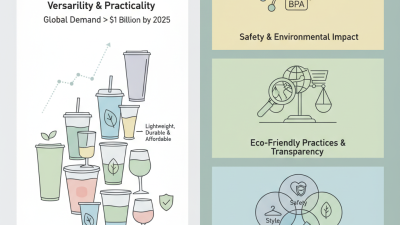
This chart illustrates the importance of various factors when choosing the best plastic drinkware. Material quality and safety standards rate the highest, emphasizing the need for reliable and safe products.
Choosing the Right Size and Shape for Your Drinkware Needs
When selecting plastic drinkware, size and shape are crucial factors. Larger drinkware can hold more, which is great for hydration. However, oversized options might be cumbersome for children or smaller hands. A study from the Beverage Industry shows consumers prefer drinkware that fits comfortably in their hands, especially when outdoors.
Consider the shape as well. Wide, stable bases prevent spills during activities. Tapered designs fit better in car cup holders. Not all shapes suit every occasion. For example,
tumblers work for casual picnics, while slimmer options are ideal for formal settings.
According to a report from Global Industry Analysts, the market for versatile drinkware is on the rise, reflecting a need for adaptability.
Choosing the wrong size or shape can cause disappointment. A drink container that’s too small leads to frequent refills, while an awkward shape may be hard to clean. Surveys indicate that 35% of consumers prefer drinkware that is easy to maintain and stackable. Overall, understanding the intended use will guide your choice, and choosing wisely can enhance your drinking experience.
Exploring Design Features and Aesthetic Considerations
When selecting plastic drinkware, design features play a vital role. Consider the shape. Opt for ergonomic designs that feel comfortable in your hand. Aesthetics also matter. Vibrant colors and patterns can enhance the overall experience. These details can elevate a simple cup into a statement piece.
Tip: Choose BPA-free materials to ensure safety while enjoying your favorite beverages. Durability is essential, too. Look for thick plastic that won't easily crack or warp. This is crucial for long-term use.
Reflect on practicality versus style. Some designs may look appealing but lack functionality. Balance is key. A visually stunning cup should still serve its purpose effectively. Pay attention to the lid type as well. This can impact how you drink and store your beverages. Look for options that won’t spill easily but are easy to clean.
Assessing Durability and Longevity for Regular Use
When choosing plastic drinkware, durability is a key factor. Research indicates that high-quality plastics can manage regular wear and tear. For instance, BPA-free polycarbonate can endure drops and resist clouding or cracking. This means drinkware can last longer, especially in busy environments like restaurants or outdoor events.
However, not all plastics are created equal. Some cheaper options may look appealing but can fail quickly. A study by the American Society for Testing and Materials suggests that drinkware made from inferior plastics breaks or deteriorates much sooner. This can lead to waste and additional costs over time. Choosing drinkware that meets industry standards ensures better longevity and overall satisfaction.
Regular use can stress even the most durable drinkware. Temperature fluctuations, for example, can affect plastic integrity. It's essential to consider specific usage scenarios, like hot beverages or frequent dishwashing. Opting for drinkware with proven resistance to heat and impacts is wise. Ultimately, investing in resilient plastic drinkware helps you avoid regular replacements and contributes to environmental sustainability.