What Is a Clear Plastic Tumbler Used For?
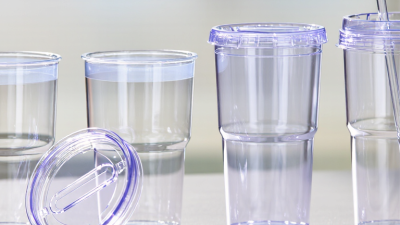
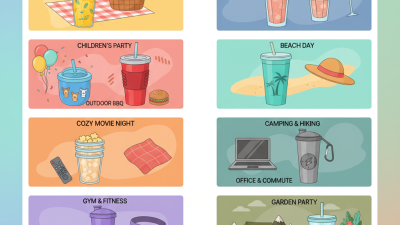
A Clear Plastic Tumbler is commonly used to serve cold drinks at home, cafés, picnics, and casual events. Its transparent sides make it easy to see the drink, ice, and colorful layers inside. That simple detail can help guests identify beverages on a crowded table. It also gives smoothies, iced coffee, lemonade, and fruit drinks a neat, inviting presentation.
Easy to handle. Often easy to stack. But the best choice depends on the setting. A sturdy reusable tumbler may suit daily use, while a lightweight disposable style can simplify cleanup at a large gathering. Check the product details before use, especially its capacity, care instructions, and temperature limits. Not every clear plastic cup is designed for hot drinks, dishwashers, or repeated washing. Small print matters.
This guide explores what tumblers are used for, how their shape and material affect everyday use, and what to consider when choosing one. For example, a wide opening can make adding ice easier, while a fitted lid may help reduce spills during a short commute. Still, a tumbler is not automatically leakproof just because it has a lid. A little caution helps. The right option depends on the drink, the occasion, and how often you plan to use it. Some choices look similar on a shelf but feel quite different in the hand. That difference is worth noticing.
Definition and Main Types of Clear Plastic Tumblers
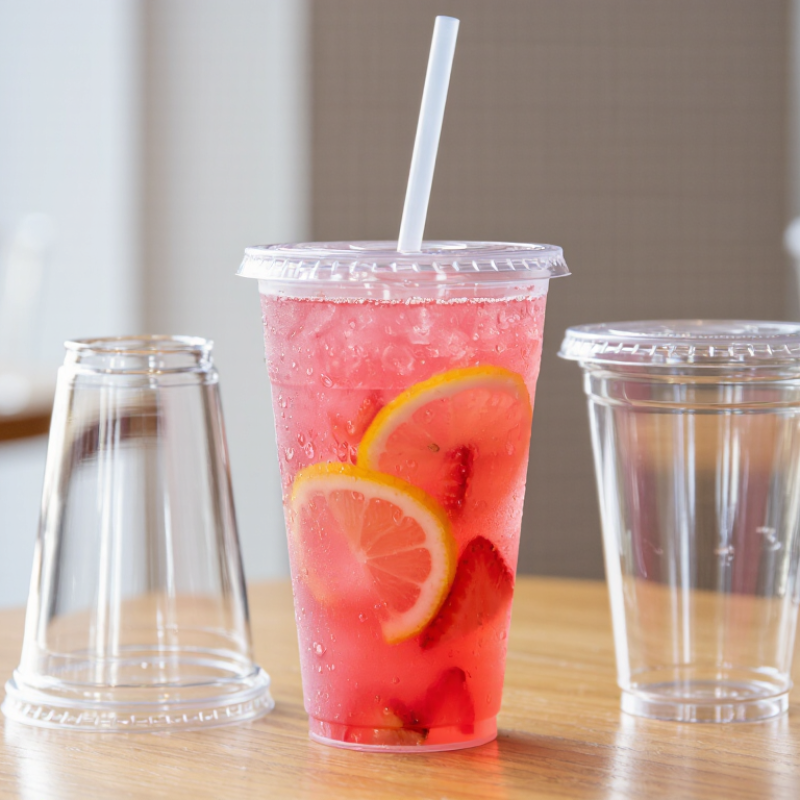
A clear plastic tumbler is a drinking cup with transparent walls, often chosen for cold drinks, water, iced coffee, or juice. The view matters: staff can check fill levels quickly, and users can see ice, fruit, or layered drinks. Clear describes appearance, not one specific plastic. Small distinction.
Common types include PET cups and reusable cups made from polycarbonate, copolyester, acrylic, or polypropylene. PET cups are lightweight and often used at events or takeaway counters. Reusable versions are generally thicker, with sturdier rims and bases. Polypropylene is usually less glass-clear; acrylic and some copolyesters can offer better visibility. Check the product’s care instructions, since heat tolerance varies by material and design.
Material choice has a wider waste context. The U.S. EPA’s 2018 Advancing Sustainable Materials Management report estimated that plastic containers and packaging generated 14.5 million tons of waste in the United States. The reported recycling rate for that category was 13.6%. These figures cover many products, not tumblers alone, so they should not be treated as a tumbler-specific measure. For everyday use, look for clear material labeling and follow washing guidance. A dishwasher can cloud or damage some cups. Clarity has a trade-off: scratches and haze show easily, and a clear cup is not automatically reusable or recyclable.
Cold-Drink Service at Home, in Cafés, and at Events
At home, a clear plastic tumbler is useful for serving cold drinks without hiding their color or layers. Its transparent walls make fruit slices, herbs, and ice easy to see. For iced tea, lemonade, or sparkling water, that clarity can make a simple pour feel more inviting. Small detail, big help.
Cafés can use clear tumblers for dine-in cold drinks, especially when staff need to identify orders quickly. A visible garnish or drink color helps customers check that the right beverage reached the table. Many tumblers are lightweight and stack neatly, saving shelf space during busy shifts. Check the care instructions, though; not every plastic tumbler is dishwasher-safe or designed for repeated use.
At events, lighter cups are easier to carry between tables, patios, and serving stations than glass. They can lower the risk of breakage, but may still crack or become cloudy over time. Condensation leaves fingerprints. For outdoor service, choose a stable shape and a size that suits the drink and its ice. A lid can help with transport, provided it fits securely and is intended for that tumbler. Never pour hot liquids into a cup unless it is specifically rated for heat. Scratches can show under bright café lights.
Visual Presentation of Layered Drinks, Desserts, and Samples
A clear plastic tumbler makes the layers of a drink easy to see.
Bright citrus juice, pale tea, and crushed ice form distinct bands against the transparent sides. Pouring slowly over a spoon can help keep those bands visible. Still, layers may blur if the liquids have similar colors or densities. That is part of the display, not always a mistake.
For desserts, the cup shows off alternating textures: sponge cake, berries, cream, and a sprinkle of crumbs. Use a narrow spoon to place each layer neatly against the wall. Leave a little space at the top; an overflowing rim can hide the pattern and make serving messy. Small details matter. Wipe fingerprints and drips from the outside before setting cups on a tray, since clear walls show smudges quickly.
The same visibility helps with tasting samples. Several small portions can be arranged side by side, making differences in color, texture, or garnish easy to compare. Keep portions consistent when the visual comparison matters. A sample may look appealing in a tall cup, but a shorter tumbler can make a small serving easier to reach. I sometimes focus too much on tidy layers; a slightly uneven swirl can look more inviting than a rigid stack.
Food-Contact Compliance: FDA 21 CFR Parts 174–178
What Is a Clear Plastic Tumbler Used For?
Food-Contact Compliance: FDA 21 CFR Parts 174–178
A clear plastic tumbler serves cold drinks at cafés, offices, picnics, and home tables. Its transparency makes drink levels and visible residue easy to check. Food-contact safety depends on more than appearance. FDA 21 CFR Parts 174–178 cover indirect food additives, including polymers and substances used in packaging. Part 177 includes specific polymer provisions, but authorization depends on the material and its conditions of use. A cup intended for cold water may not be suitable for hot drinks or repeated use. Check the supplier’s documentation for the resin type, intended foods, temperature range, and use limits. A clear finish proves nothing by itself.
The OECD’s Global Plastics Outlook (2022) reports that 460 million tonnes of plastic were produced worldwide in 2019, while only 9% of plastic waste was recycled. That figure is not a food-safety measure, but it underlines why material identification and traceable sourcing matter. For a tumbler, request a food-contact declaration tied to the actual resin and manufacturing conditions. Where needed, review migration or extraction test results conducted for relevant temperatures and contact times. Look closely at the rim and inside surface. Scratches, clouding, or persistent odors can make a cup less reassuring, even when its original paperwork is sound. Regulations are specific. Real use can be messy.
Resin Identification: ASTM D7611 Codes 1 (PET) and 7 (Other)
What Is a Clear Plastic Tumbler Used For?
A clear tumbler may be made from PET, marked 1, or another resin, marked 7. ASTM D7611 assigns these codes to resin types; the number alone does not confirm food-contact suitability, heat tolerance, or recycling access. Check the tumbler’s product information for those details. Code 7 is a broad category. It can include different plastics, so two clear tumblers with the same code may behave differently.
A PET tumbler can look light and glass-like, but its intended use depends on its design and manufacturer’s instructions. Code 7 tumblers may use other clear resins, including certain copolyesters. Don’t assume they are interchangeable.
NAPCOR’s 2023 report put the U.S. PET bottle recycling rate at 29.1% for 2022; that figure concerns bottles, not every PET item or tumbler. Local programs may exclude rigid drinkware. A quick check of the recycling guide matters.
On a picnic table, the tumbler’s clear walls make iced tea easy to see, but appearance tells you little about its resin. That distinction is easy to miss.